
Treating chronic pain
Pain management specialists at University Hospitals take a highly personalized approach to caring for people navigating chronic pain. Here’s how they can help you.
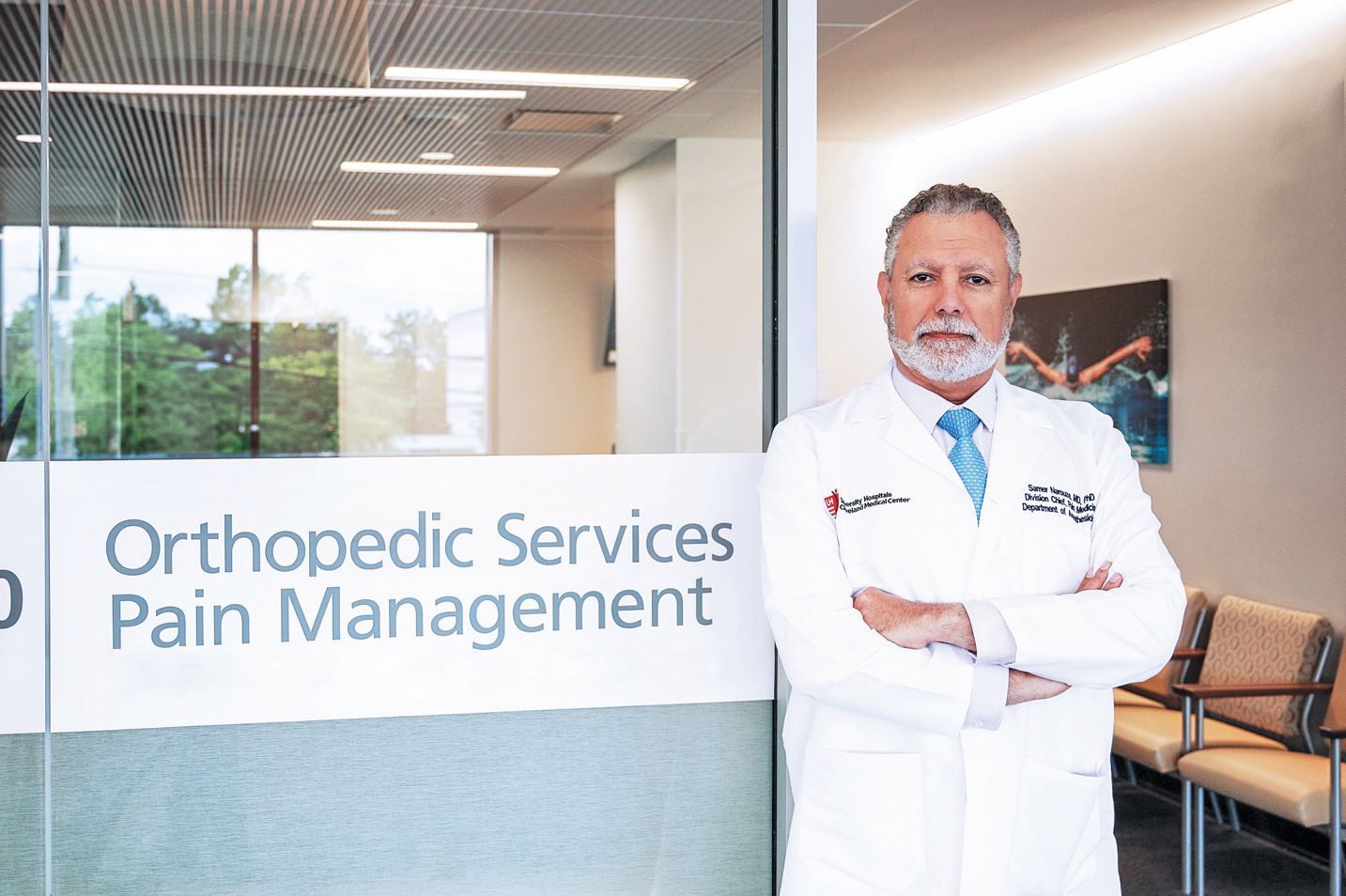
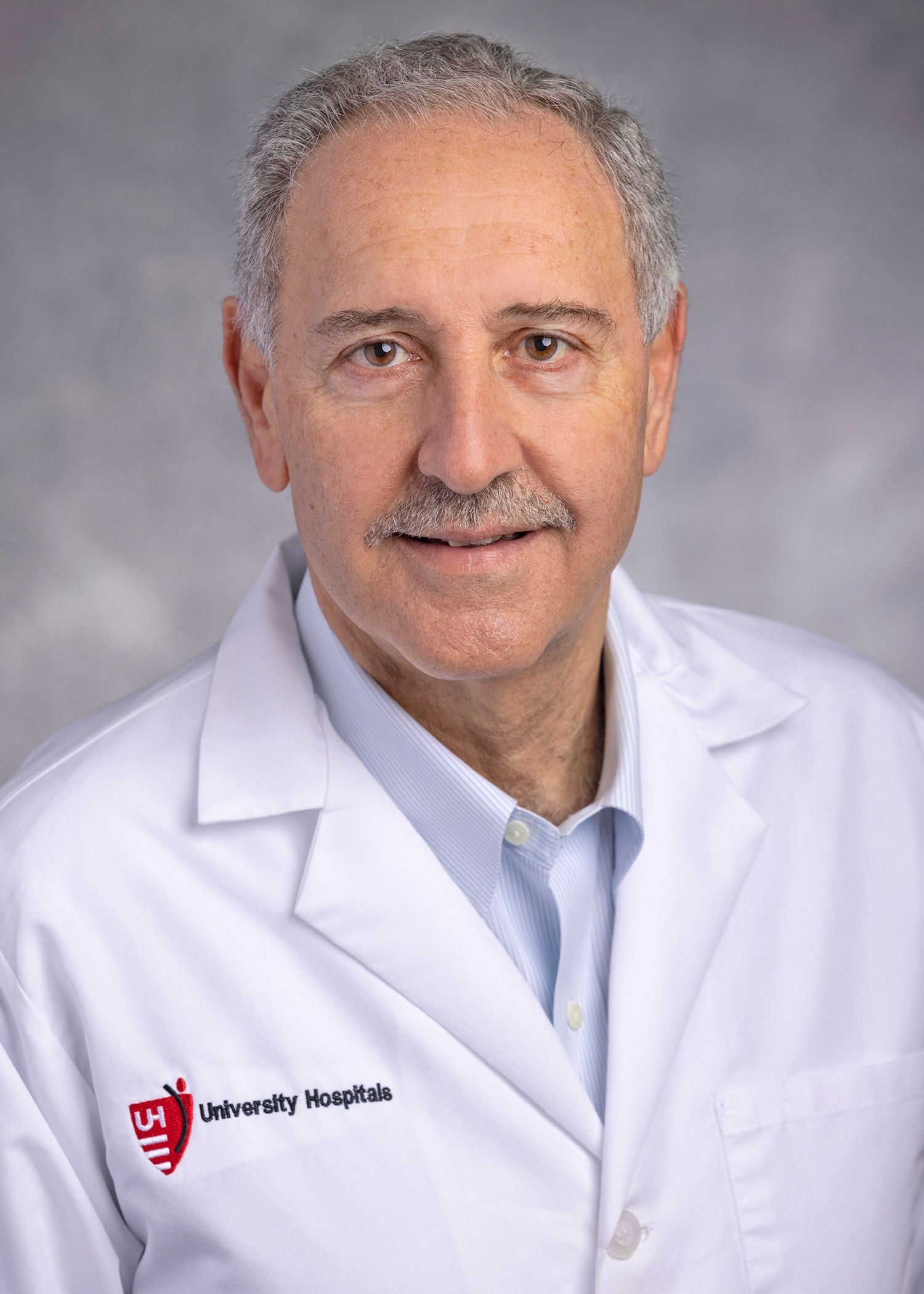
University Hospitals pain specialists treat a range of conditions, including short-term pain after an injury, illness or surgery, as well as chronic pain, defined as pain that persists more than three to six months, peripheral neuropathy and cancer-related pain. Pictured is Samer Narouze, MD, PhD, Division Chief of Pain Management, University Hospitals. (Photograph: Adrienne Rose)
Everyone’s pain tolerance is different—and a deeply personal experience. What feels like a mild annoyance to one person might be debilitating for another. Whether suffering from an injury, illness or chronic condition, many people struggle to know when their discomfort is something to power through or a sign that it’s time to seek help.
“If your pain is persistent and affecting your quality of life, you should seek treatment,” says Samer Narouze, MD, PhD, Division Chief of Pain Management, University Hospitals. “Especially if you are missing work or school or avoiding social activities that you love to do because they trigger pain, it is time to consult with a doctor to prevent the pain from becoming chronic.”
Because pain tolerance and perception vary so widely between individuals, pain medicine specialists at University Hospitals take a highly personalized approach to care.
“Everyone’s perception of pain is different, ways of coping with pain are different and the effects of pain are different, so we customize treatment to each patient,” Dr. Narouze says.
These specialists treat a range of conditions, including short-term pain after an injury, illness or surgery, as well as chronic pain, defined as pain that persists more than three to six months. Common chronic pain includes neck and lower back pain, headaches, arthritis and joint pain, peripheral neuropathy and cancer-related pain.
“Acute pain can be a marker of an underlying disease, but chronic pain is a disease on its own,” Dr. Narouze explains. “We look at chronic pain the same way we view other medical conditions, such as diabetes or hypertension, and find ways to best control it. Just like blood pressure can be controlled with treatment, pain levels can be managed and minimized.”
“Our goal is to identify the cause of pain instead of to just numb the pain,” he adds. “This way we can offer targeted treatments, interventions or medications that will help prevent the pain from becoming chronic.”
Using advanced imaging and diagnostic tools, pain medicine specialists work to pinpoint the exact nerve pathways responsible for transmitting pain signals to the brain. This allows them to determine the root cause of a patient’s discomfort and tailor treatment accordingly.
They also work collaboratively with other medical professionals to develop individualized treatment plans that may include medication management, physical therapy, psychological support and interventional procedures.
“Every patient has a different story, so we need to personalize each treatment,” says Dr. Narouze, who shares his expertise here locally as a professor of anesthesiology and pain medicine at Case Western Reserve University and nationally as founder of the American Board of Headache Medicine and past president of the American Society of Regional Anesthesia. “We take a multimodal approach to cover the entire spectrum, from diagnosing pain and treating acute pain to preventing acute pain from become chronic pain and treating any complications and residuals of chronic pain.”
To find a UH Pain Management specialist at one of 18 convenient locations, simply visit uhhospitals.org/services/pain-management-services.
Your Local Pain Management Experts
At University Hospitals, it’s easy to see a pain management specialist close to home, with convenient locations and fast-track appointments. If something hurts, your body is telling you to pay attention. Don’t ignore persistent pain—get it checked out by an expert.
To schedule an appointment, call
440-953-5760.
The dedicated physician at UH Geauga Medical Center.
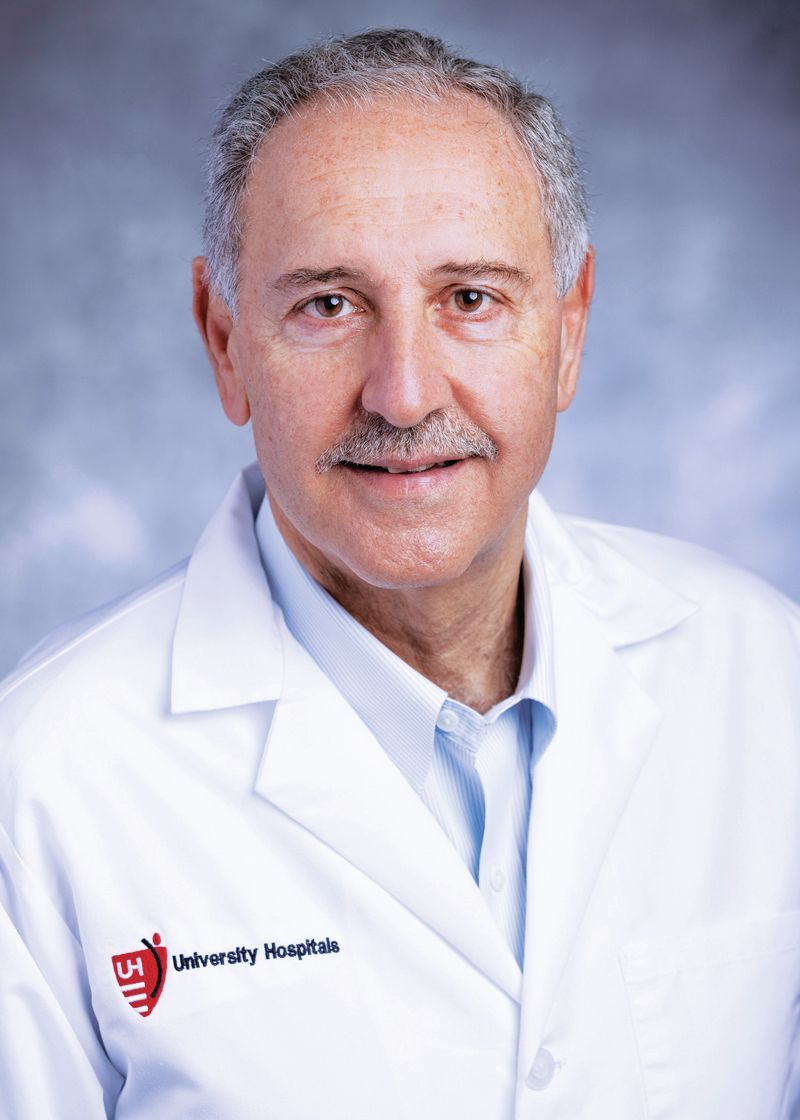
Ghassan Kanazi, MD, UH Geauga Medical Center
The dedicated team at UH Beachwood Medical Center.
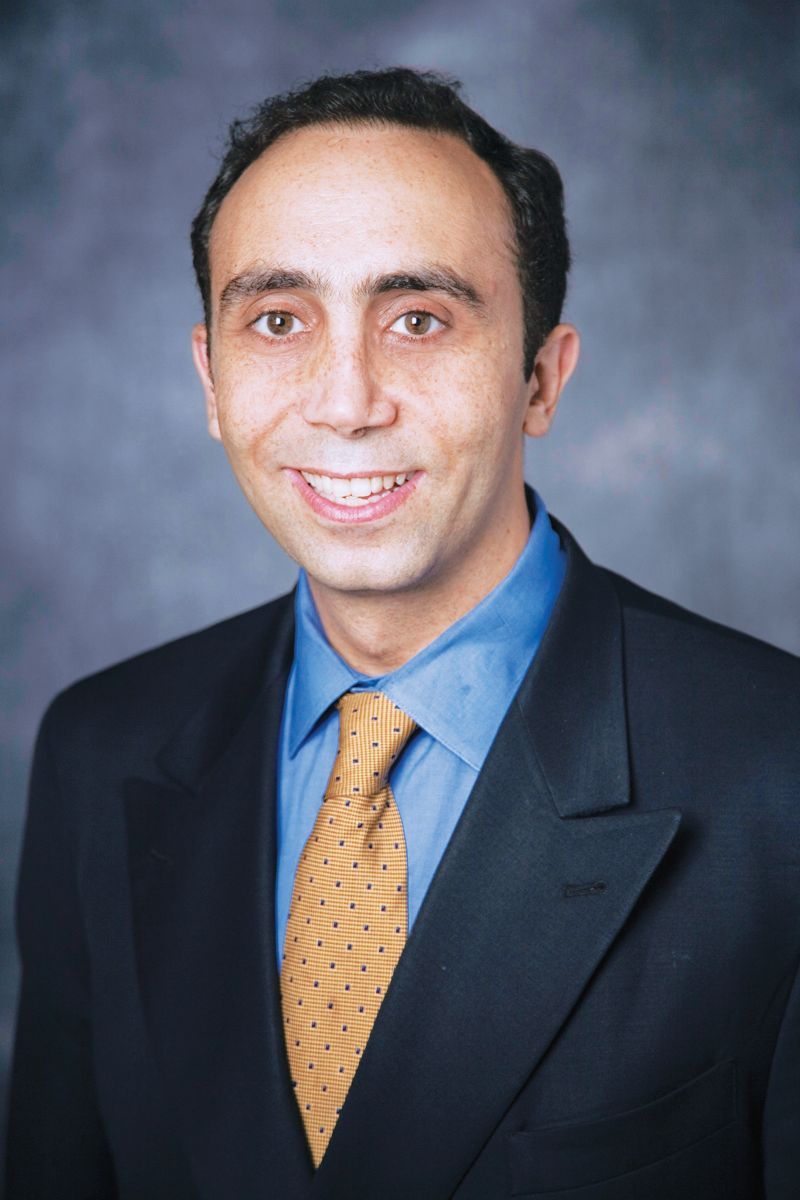
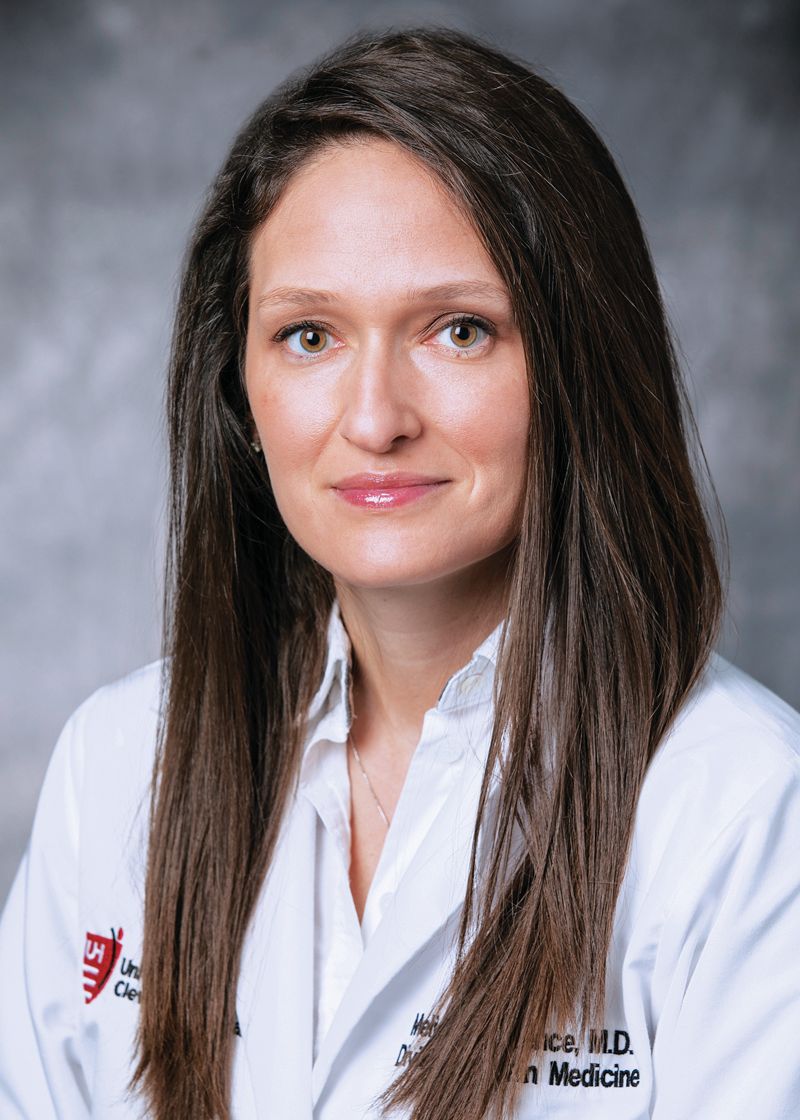
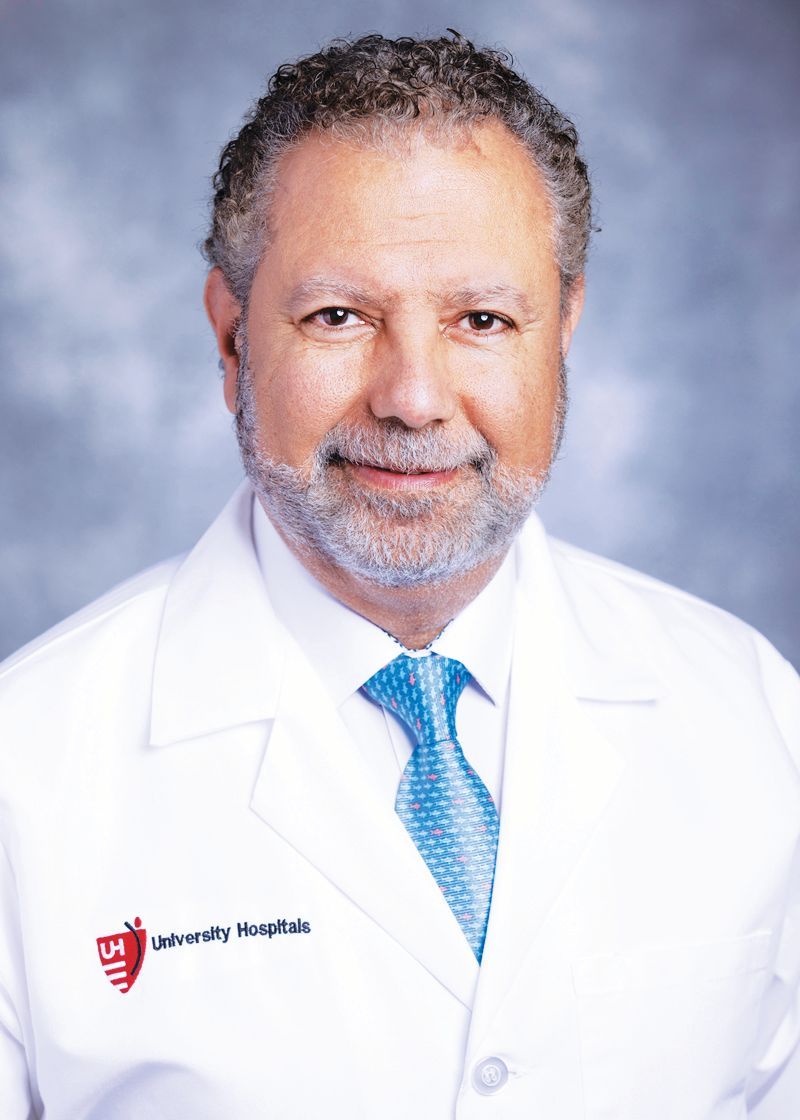
The dedicated team at UH Brunner Sanden Deitrick Wellness Center, UH Lake SOM Health Center and UH Mentor Hopkins Health Center.
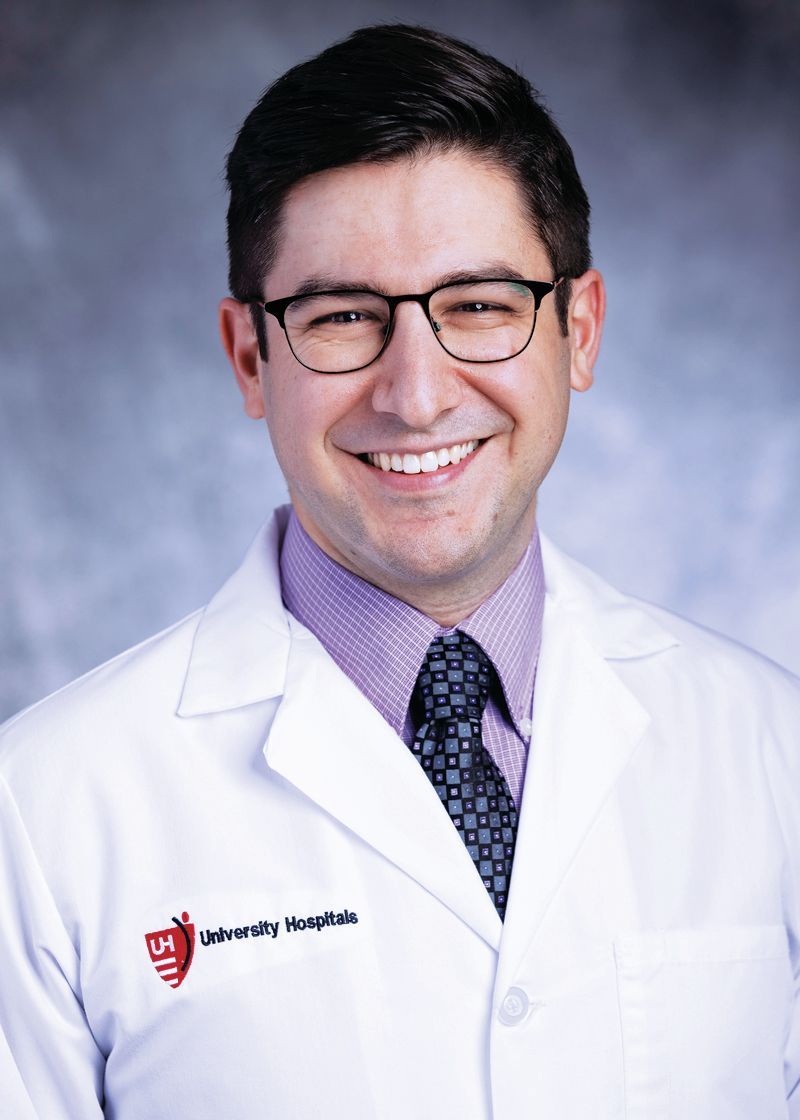
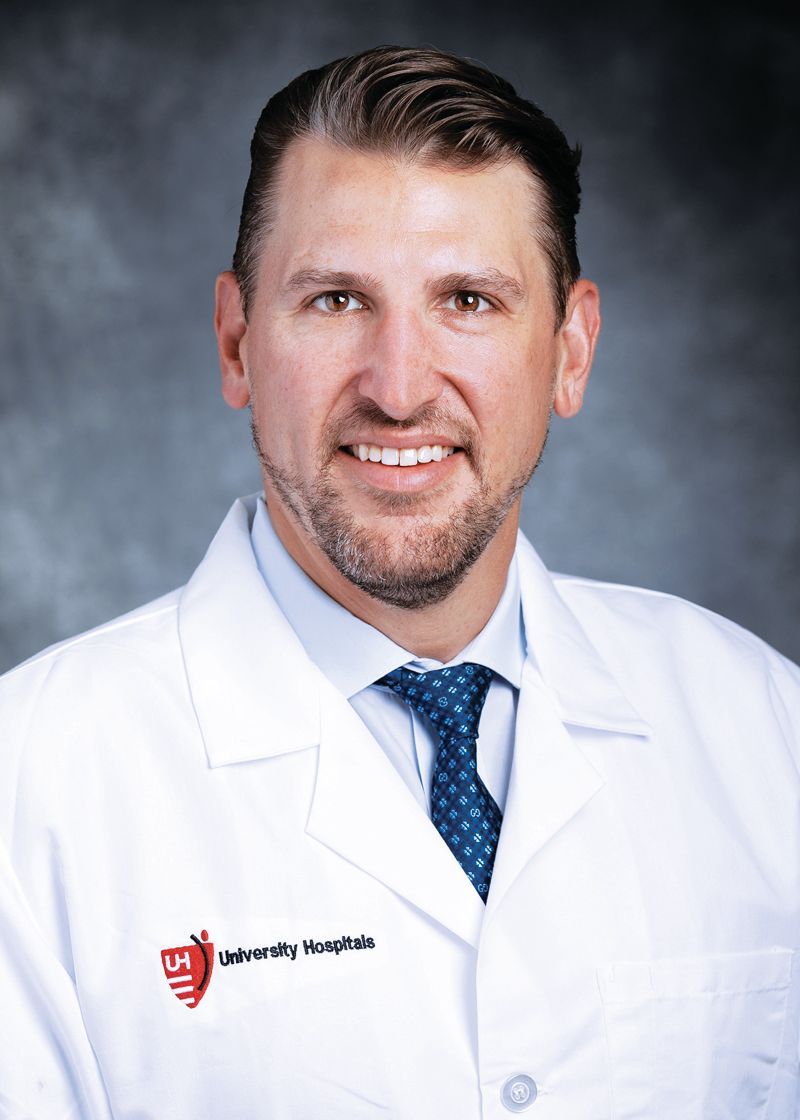
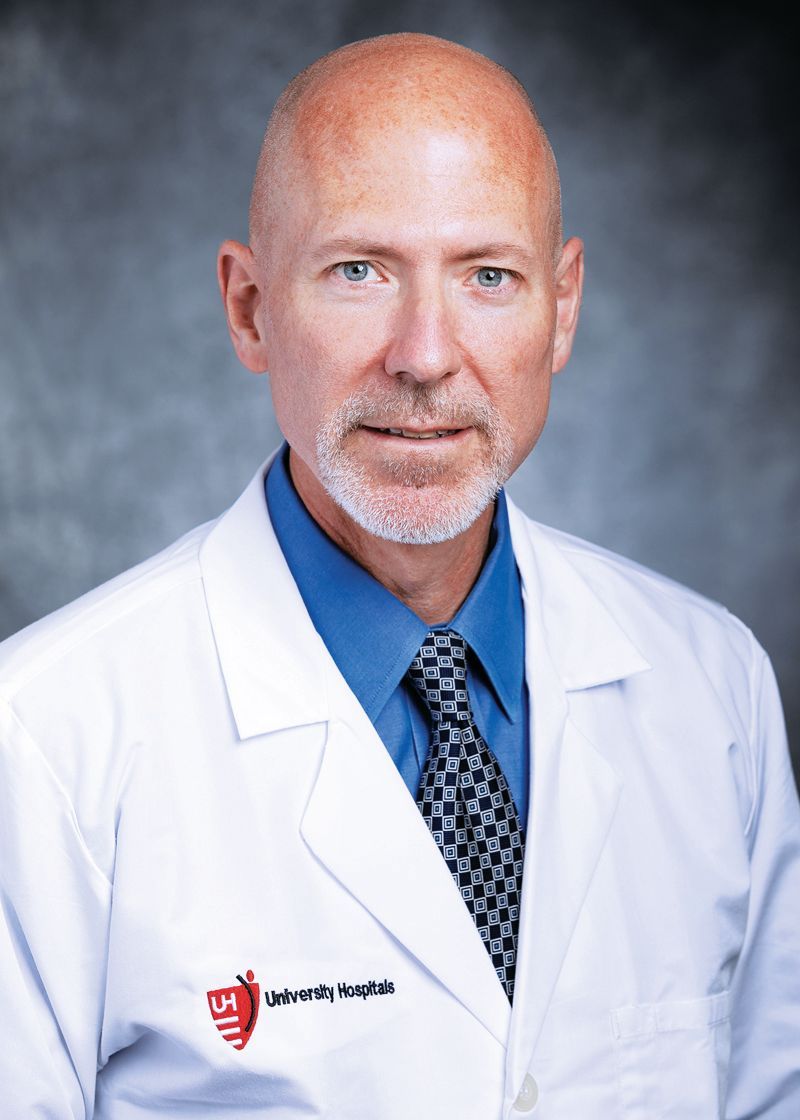
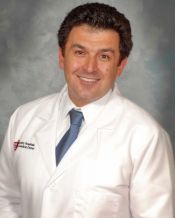
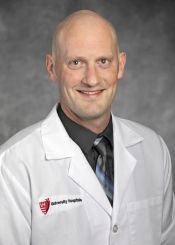
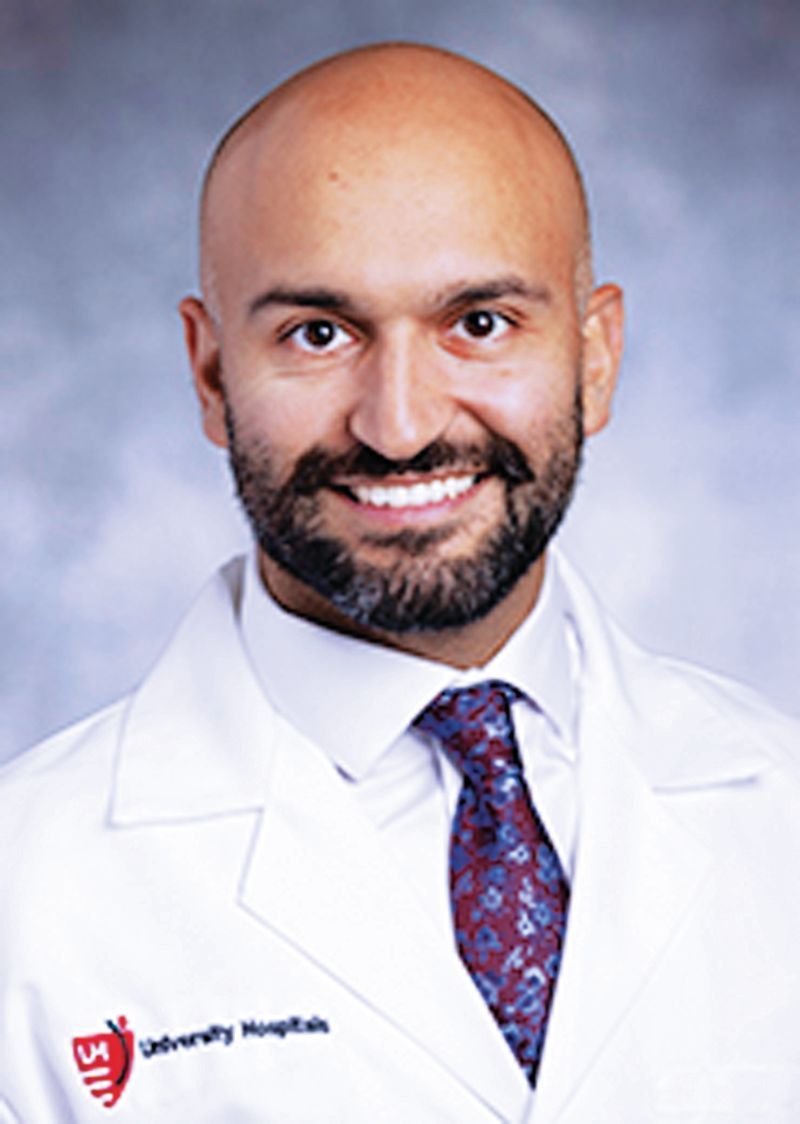
The dedicated team at UH Parma Medical Center.
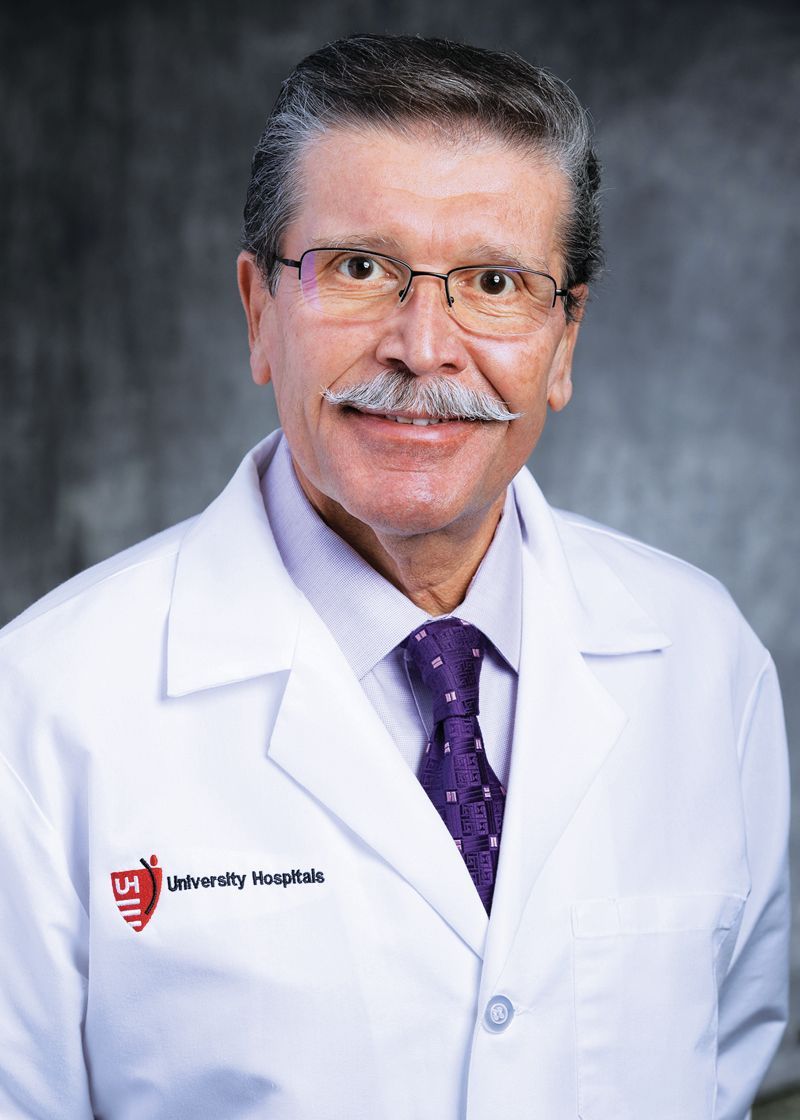
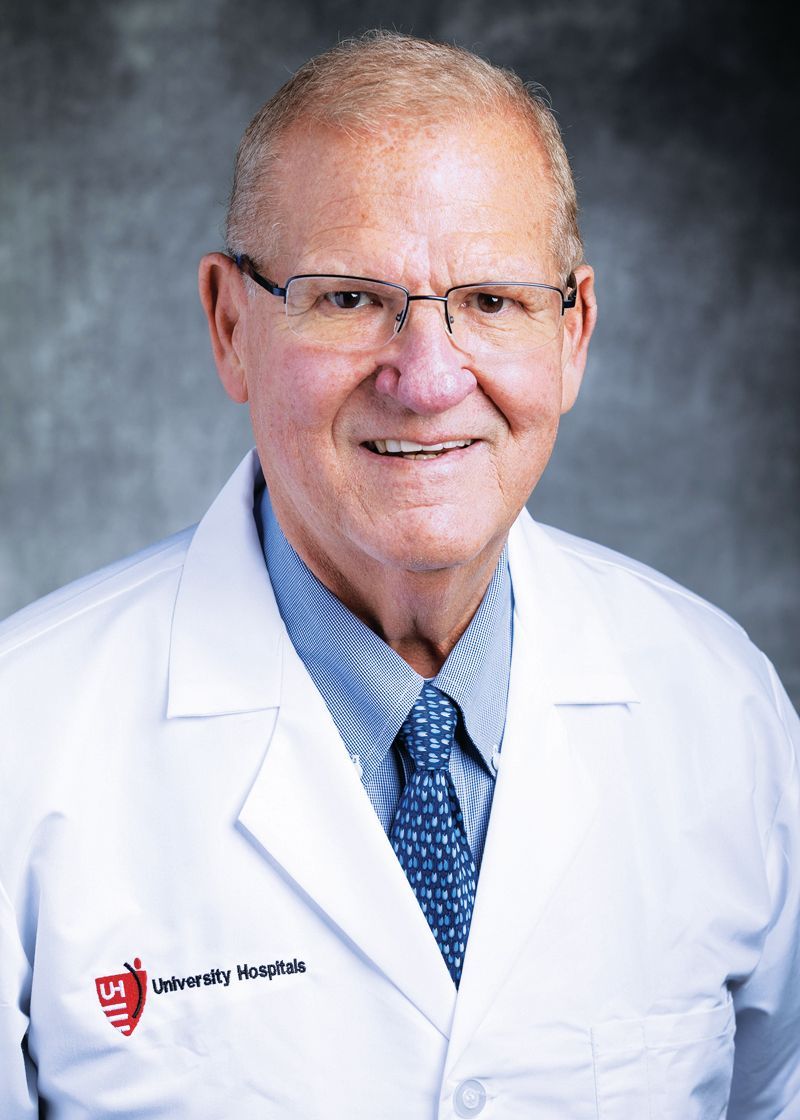
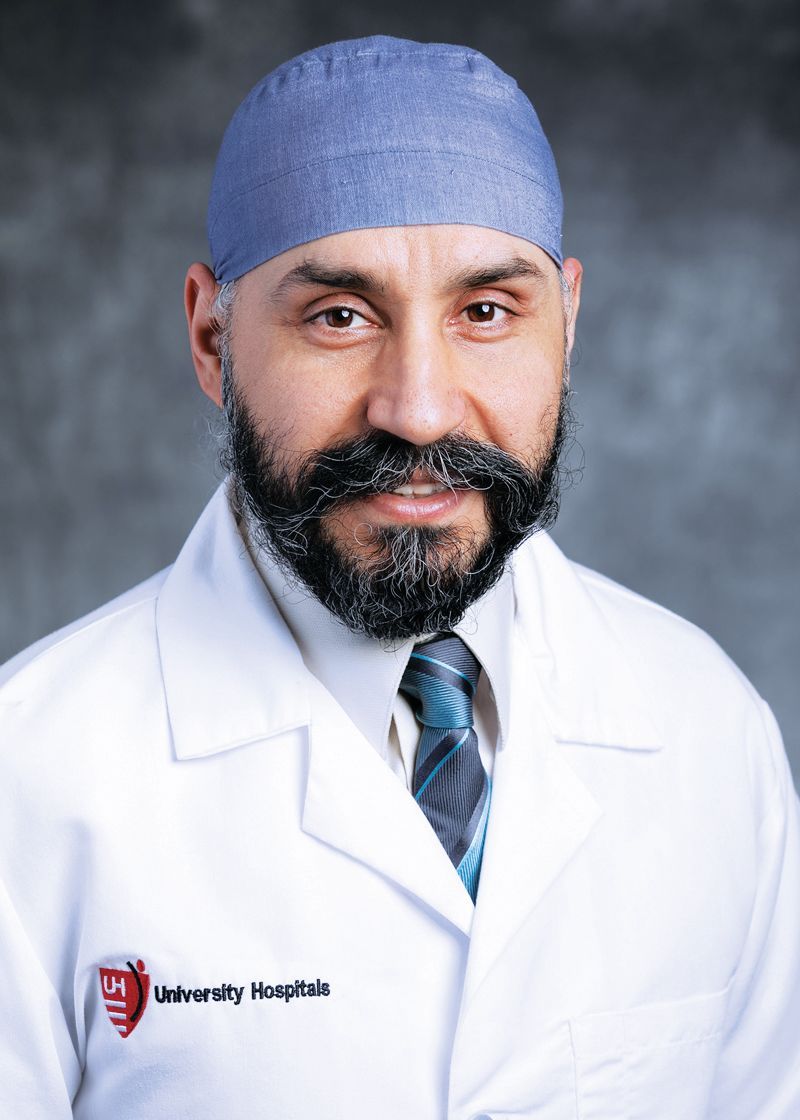
The dedicated team at UH St. John Medical Center and UH Westlake Health Center.
Recent Posts



RELATED ARTICLES