
Protecting wildlife through education
From a single idea to a growing regional movement, CLE Goose Girl is showing how one person—with passion, purpose and a very good dog—can change the way a community understands wildlife and the environment.
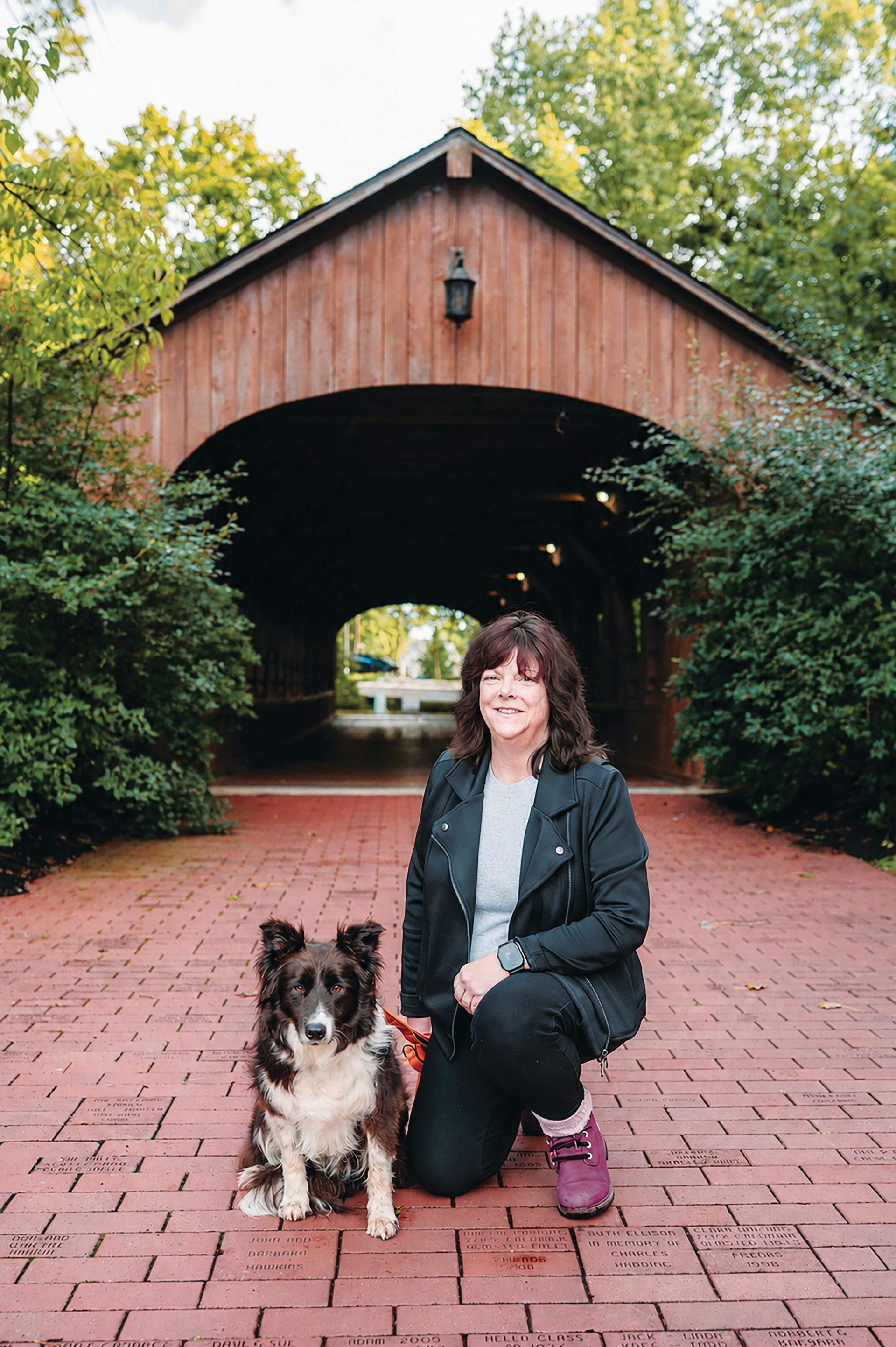
Mary Kazmir, founder of CLE Goose Girl, helps the public understand the importance of wildlife and environmental stewardship. Learn more about having her speak at your next function. (Photography: Adrienne Rose)
When Mary Kazmir steps onto a field, into a classroom, or in front of a community group, she brings more than a border collie and a bright orange vest. She brings a mission rooted in wildlife science, humane management and hands-on STEM education.
Mary is the founder of CLE Goose Girl, a Northeast Ohio educational outreach program that has quickly grown across Cuyahoga, Lorain and Medina counties. What began as a part-time job working with a trained border collie evolved into a career focused on wildlife behavior, humane management and public education.
As she gained experience, Mary realized how much misunderstanding surrounded human-wildlife conflict and how many opportunities existed to educate the public about the realities of wildlife management.
Over the past year, CLE Goose Girl has presented programs for garden clubs, Kiwanis groups, scouting troops, senior communities and civic organizations. Mary also has spoken for Tri-C and Case Western Reserve University lifelong learning programs, where adult learners explore wildlife behavior, environmental engineering and the relationship between humans and animals.
Mary is currently working toward becoming a Certified Ohio Naturalist, a credential she expects to complete by October 2026. “It’s important to me that the work I do is grounded in science and best practices,” she says. “I want to bring the highest level of credibility and value to the audiences I speak to.”
CLE Goose Girl now offers STEM-aligned presentations and hands-on activities designed for students of all ages. New programs such as “Wildlife Builders: Goose Nest Lab” and “Flight Ready: Molt, Map & Move” allow students to explore biology, engineering and environmental problem-solving through the lens of local wildlife. The activities are designed to fit into existing school curriculums and after-school programming.
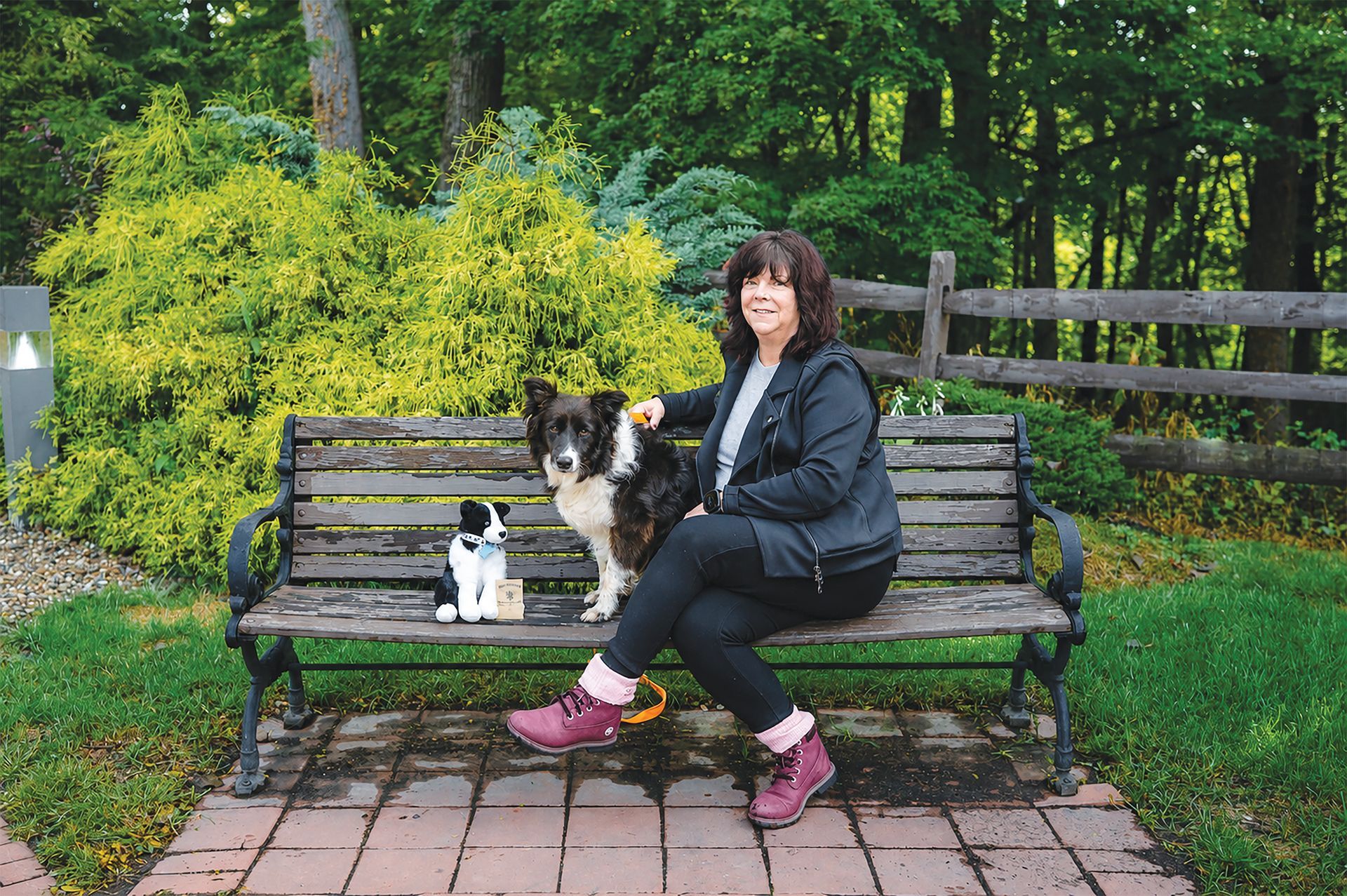
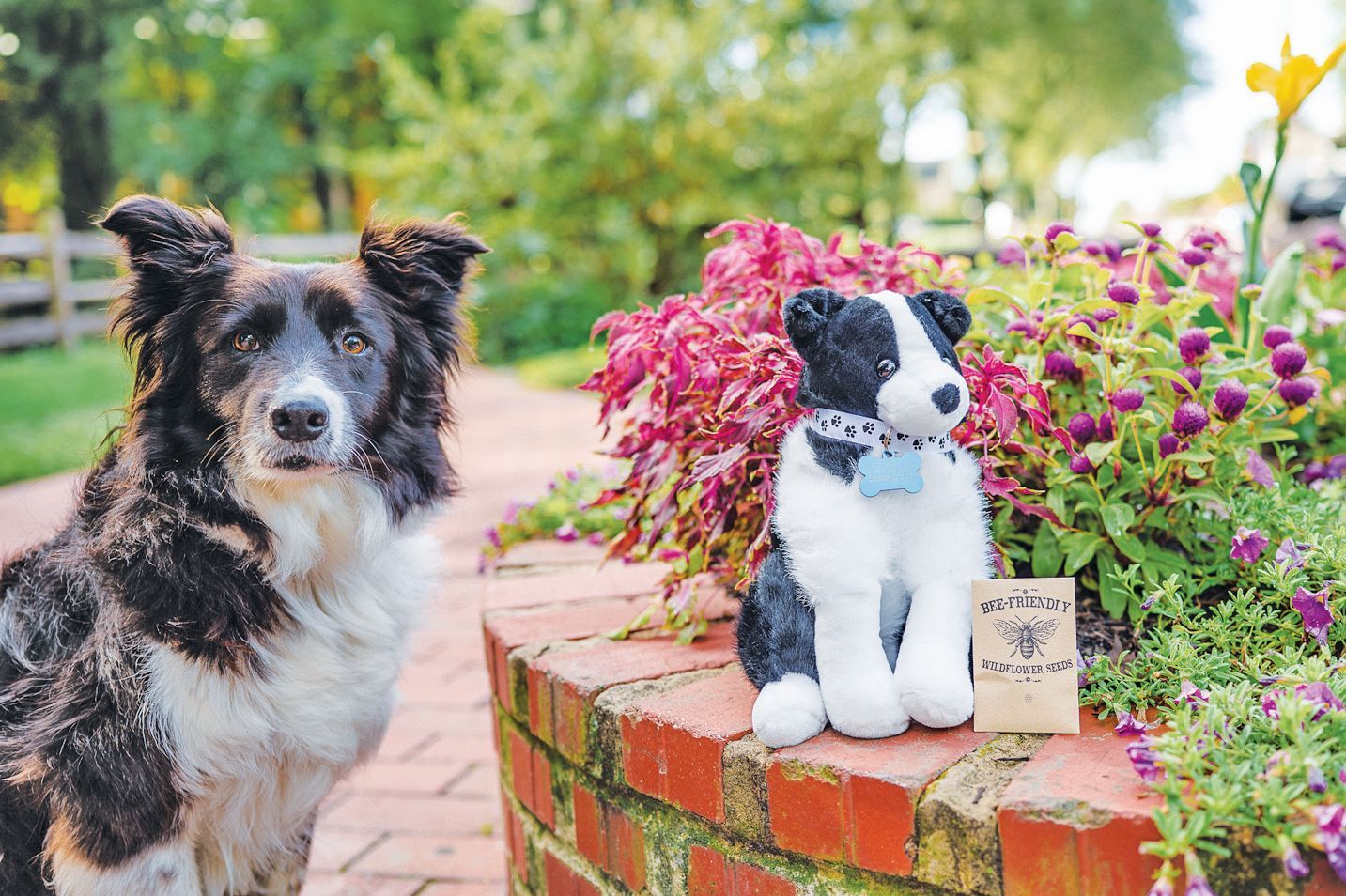
And then there is Bud, Mary’s hardworking border collie and unofficial mascot. More than a working dog, Bud serves as a teaching tool, helping students understand animal behavior, communication and the role of working dogs in conservation and wildlife management. His presence adds energy and relatability to every presentation.
Behind the scenes, however, Mary is also advocating for the safety of wildlife workers. She says humane wildlife-management teams frequently face harassment, threats and interference from members of the public who misunderstand the work being performed.
According to Mary, some people intentionally feed birds in active management areas, allow dogs off leash or confront workers based on incomplete assumptions about the situation.
For working dog teams, off-leash interference can create dangerous conditions. Loose dogs may chase, distract or attack trained working dogs, disrupting the precision required to move geese safely and humanely.
“People don’t come over to ask me questions,” says Mary. “They come over to pick a fight. They see a snapshot of what we’re doing and assume the worst. Meanwhile, we’re following federal guidelines, working humanely, and trying to keep people, pets and wildlife safe.”
Although Ohio’s hunter-harassment laws don’t specifically mention wildlife-management professionals, Mary said broader statutes protect workers performing their jobs — similar to protections for utility crews, postal workers and animal-control officers. The challenge, she said, is that many people don’t realize those protections exist.
“Public awareness is the missing piece,” she explains. “There are real consequences for threatening or obstructing someone who’s doing their job, but most people have no idea the law applies to us.”
Mary has started working with local law enforcement agencies to help wildlife-management workers better document and report harassment and to ensure officers understand when incidents become reportable offenses.
Her advocacy, she said, is less about penalties and more about legitimacy for a trained and regulated profession that plays an important role in public safety.
What sets CLE Goose Girl apart is its blend of science, storytelling and service. Mary focuses on making science accessible and engaging while helping communities better understand wildlife and environmental stewardship.
As CLE Goose Girl continues to expand, Mary is building partnerships with schools, after-school programs, community centers and environmental organizations across Northeast Ohio. Her goal is to make wildlife literacy and humane management a meaningful part of local education.
Mary Kazmir, CLE Goose Girl, will speak to organizations, schools, scout troops, senior centers, garden clubs, book clubs and recreation centers throughout Cuyahoga, Lorain and Medina Counties.
CLE Goose Girl, Mary Kazmir
Recent Posts




RELATED ARTICLES