
Better breathing, better sleep
University Hospitals St. John Medical Center is making it possible for patients to sleep better—and live healthier.
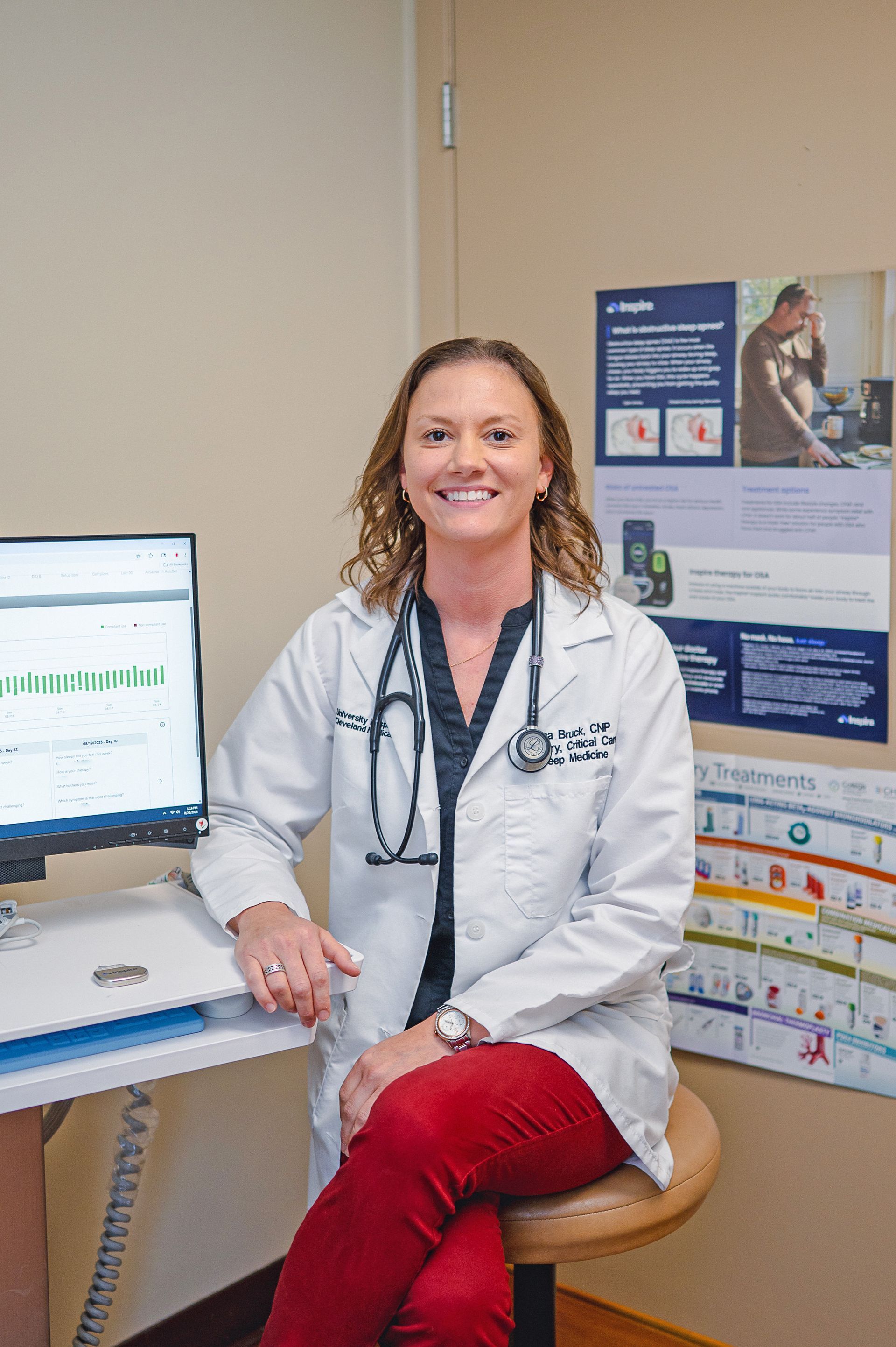
New this year, University Hospitals St. John Medical Center opened a Pulmonary & Sleep Medicine Suite, combining all related resources—sleep medicine specialists and pulmonologists—into one space. (Photography: Adrienne Rose)
In today’s evolving healthcare landscape, collaboration between medical specialists is more vital than ever. One such powerful partnership is that between sleep medicine specialists and pulmonologists. Both fields overlap significantly in diagnosing and treating sleep-related breathing disorders. After all, sleeping and breathing are inseparable functions.
At University Hospitals St. John Medical Center, these professionals work together to provide multidisciplinary care that is not only comprehensive but truly life-changing. In fact, the connection is so deep that this community hospital opened a new Pulmonary & Sleep Medicine Suite this year, combining all related resources into one space.
“Conditions like sleep apnea, hypoventilation, COPD (chronic obstructive pulmonary disease) and insomnia often overlap, so having both specialties under one roof allows us to better diagnose and treat patients,” says Selena Bruck, a board-certified family nurse practitioner in the Division of Pulmonary, Critical Care and Sleep Medicine at University Hospitals. “So, if patients come in for breathing issues, we can also screen them for sleep concerns, and vice versa.”
This collaboration also means fewer appointments, faster diagnoses and more personalized treatment. With both specialties in the same office, if a patient needs to see both a sleep specialist and pulmonologist, the office support staff often can coordinate office visits on the same day.
The spacious Pulmonary & Sleep Suite features a welcoming waiting room, eight exam rooms and a dedicated CPAP education room.
“One of our unique services is offering durable medical equipment support right in our office,” Selena notes. “If a patient has trouble with their CPAP (continuous positive airway pressure) machine or other equipment, our experts can provide direct troubleshooting and support.” We work one-on-one with patients to ensure they’re successful with their therapy.”
While CPAP remains the gold standard for treating sleep apnea, St. John Medical Center offers other options, including oral appliance therapy, positional therapy and implantable devices such as Inspire.
“We are transforming how care is managed,” says Selena, a third-generation nurse with nearly 20 years of nursing experience in her field. “We use advanced remote monitoring programs to track CPAP usage and effectiveness in real time. This allows us to make quick adjustments and fine-tune therapy settings remotely, delivering more precise, individualized care without the burden of extra office visits.”
Similarly, advancements in pulmonary care also are benefitting patients with both acute and chronic respiratory issues, including asthma, sarcoidosis, bronchiectasis, COPD and interstitial lung disease. Today’s treatments are more targeted, focusing on underlying inflammation and specific mechanisms of each disease.
“We help patients go from exhausted and struggling to alert and engaged in life again,” Selena says. “Our goal is for every patient to breathe easier, sleep better and live healthier.”
UH St. John Medical Center is located at 29000 Center Ridge Road in Westlake. For an appointment, call 440-656-4170.
Trouble Getting a Good Night’s Sleep?
In today’s fast-paced and digitally connected world, sleep problems have become increasingly common—affecting one in three adults. Sleep disorders are not only widespread but also underdiagnosed— contributing to a range of physical, mental and emotional health problems.
At University Hospitals, sleep medicine specialists work closely with pulmonologists to accurately diagnose and treat sleep disorders.
If your sleep issues persist for more than four weeks or begin to interfere with your daily life, a consultation with a sleep specialist is the first step toward getting a good night’s sleep. Here are signs that you might need a sleep evaluation:
- Loud snoring or pauses in breathing observed by others
- Excessive daytime sleepiness
- Feeling unrefreshed, even after a full night’s sleep
- Difficulty falling or staying asleep
- Memory issues or difficulty concentrating
- Nightmares, sleepwalking or unusual sleep behaviors
- Leg discomfort and restlessness at night
- Irregular sleep schedules due to shift work.
To schedule a sleep evaluation, call 440-656-4170.
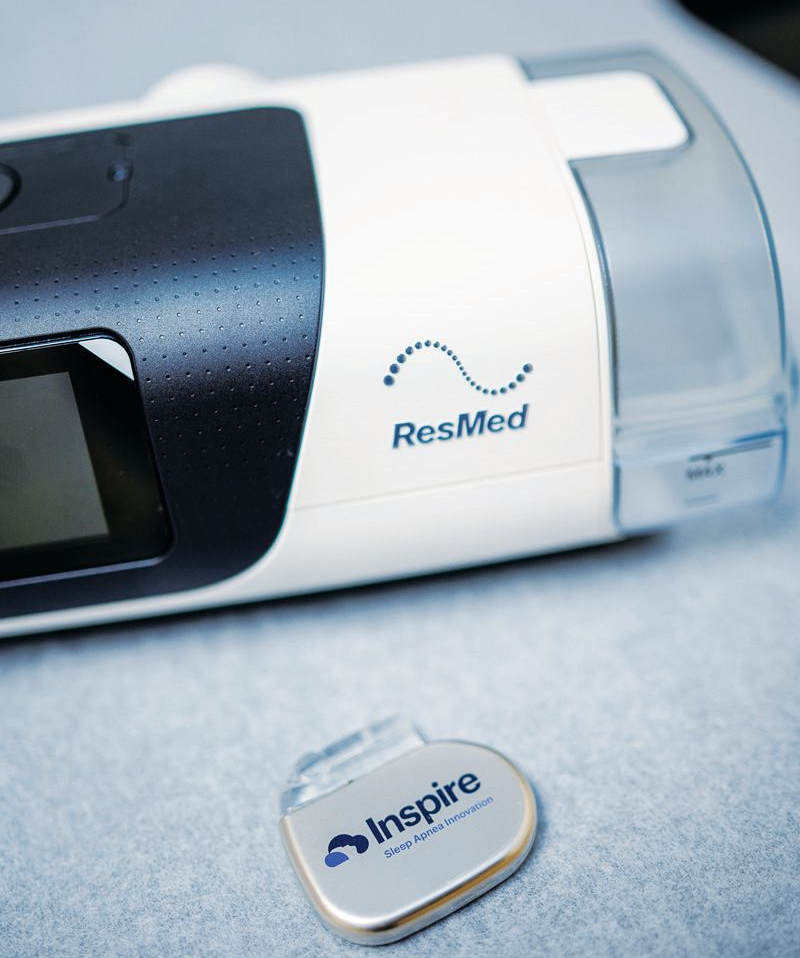
If your sleep issues persist for more than four weeks or begin to interfere with your daily life, a consultation with a sleep specialist is the first step toward getting a good night’s sleep.
Recent Posts










RELATED ARTICLES