
Sauternes and noble rot: Trust the fungus
Noble rot rewards those willing to wait for its sweet transformation.
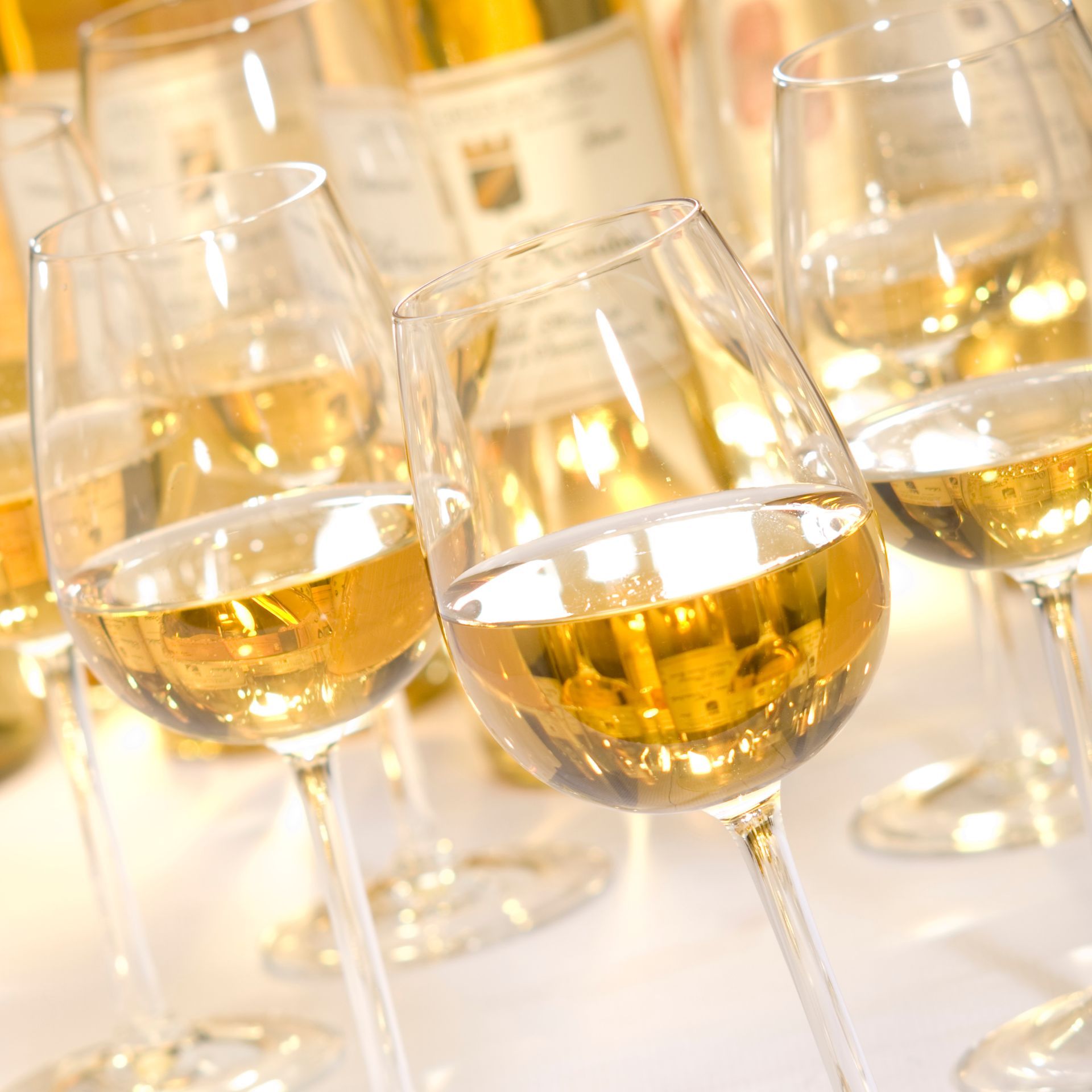
The science — and serendipity — behind Sauternes makes it one of the world’s most fascinating wines.
Last month we discussed the white wines of the Bordeaux region and how they can either be dry or sweet. Now, stick with me until the end because this doesn’t sound appealing, but the sweet wines, Sauternes, are produced from grapes affected by a fungus known as botrytis cinerea. Again, we turn to Jim Sperk of the Northern Ohio Wine Guild for an explanation.
“It doesn’t sound attractive, I know, but the result is amazing,” Jim says. “This is a beneficial fungus known as noble rot, which, under the right conditions, transforms ripe or overripe grapes into a highly desirable dessert-style wine.”
So, just what are those “right conditions?”
“In order for this process to develop, only white grapes that are high in acid are candidates,” Jim says. “Grapes like the sauvignon blanc and Sémillon of Bordeaux, Germany’s Riesling, the Furmint grape in Hungary and sometimes the Gewürztraminer and chenin blanc in other areas are used. These thicker-skinned grapes allow the fungus to penetrate through tiny holes without causing serious rot.”
Location and weather are also important and the ideal areas for this process are near rivers, lakes or oceans where cool, humid mornings enhance fungal growth followed by dry afternoons that induce dehydration.
“The ideal marriage of these conditions doesn’t happen every year,” Jim says. “Some vineyards try to start the process by spraying the vines with botrytis, with limited success.”
The harvest of these grapes is also critical and can extend over two months. Since the whole bunch does not dry at the same rate, multiple passes in the vineyard are required to extract, by hand, the single berries once they have shriveled.
The botrytized grapes have concentrated flavors, acid and residual sugar, but can only produce a small amount of full-bodied wine that can age for decades.
“The wine produced is rich with honey and citrus notes and is bottled in smaller, half-sized bottles,” Jim says. “These small bottles command prices that can range from a few hundred dollars to more than $1,000 for certain vintage years. Noble rot indeed.
For information about the Northern Ohio Wine Guild, contact Jim Sperk at tinymoonwines@usa.net.
Recent Posts





RELATED ARTICLES