
Blended families and inheritance
There are issues with who gets what—whether it’s your new spouse, stepchildren or biological children from a prior marriage.
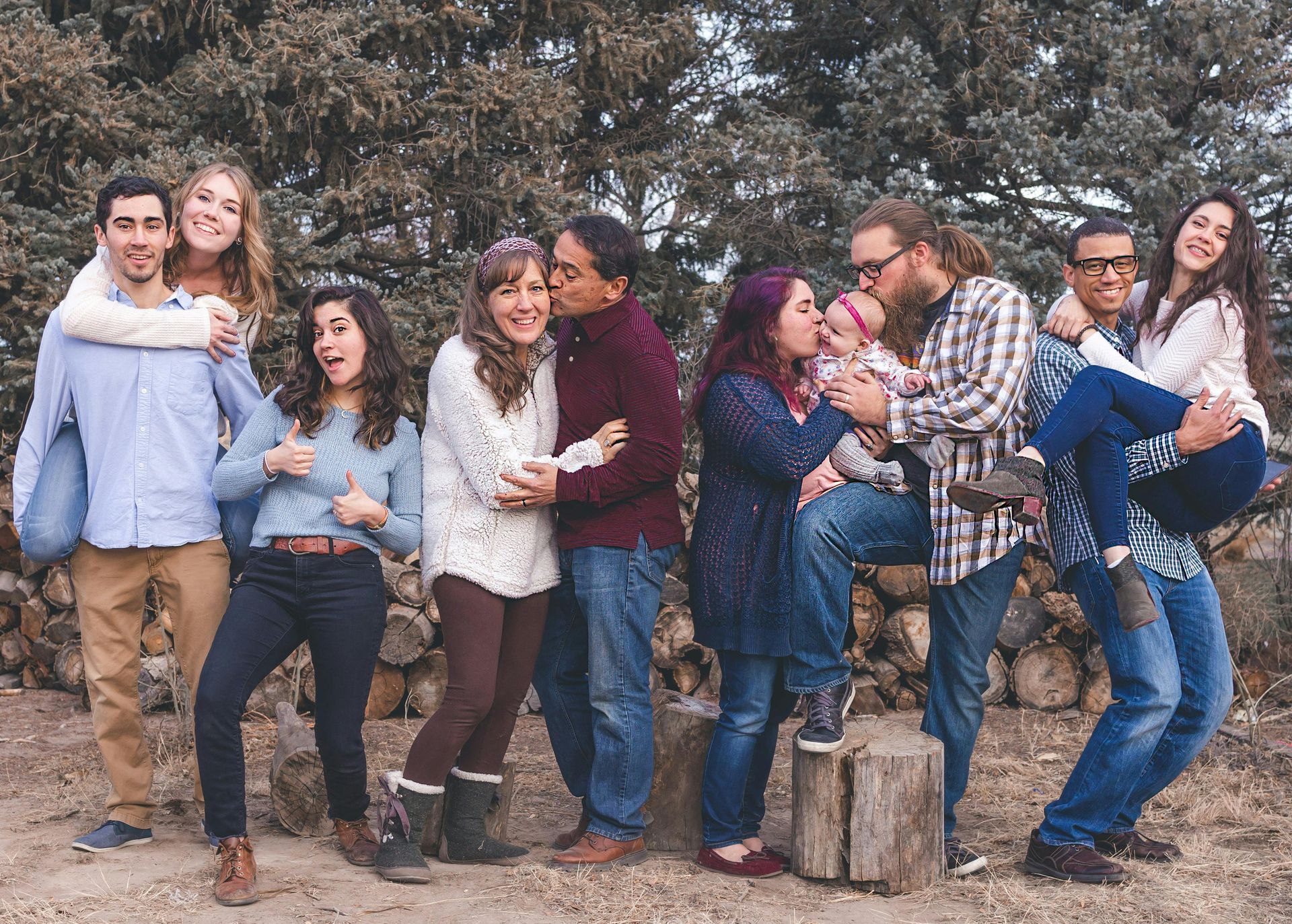
Roughly 40% of new marriages in the United States are remarriages for at least one partner. While blended families come with a few extra wrinkles when it comes to relationship dynamics, they also present considerations surrounding inheritance.
There are issues with who gets what—whether it’s your new spouse, stepchildren or biological children from a prior marriage.
I’ve been an estate planning and elder law attorney for more than 20 years and have seen a lot of blended families mired in conflict, with all parties assuming they inherit.
Another situation I come across a lot is a couple that’s been living together for decades and never married. They often assume they are common law married, but there is no common law in the state of Ohio.
When one of the partners passes, having legal documentation in place stating who inherits what would avoid having to let the state decide.
The bottom line with blended families is to establish your goals of who gets what to avoid irreparable rifts in your family and costly litigation. It’s easier and more affordable to plan ahead and set up trusts to ensure your wishes —and not state law— determine what happens.
It’s also common for someone to pass away and their family has no idea of their assets, including retirement accounts, life insurance and various bank accounts. Putting everything down on paper protects your assets.
If one of your New Year’s resolutions is to get your affairs in order, the good news is, it’s easier than you think. It only takes two half-hour meetings and there’s not much to do on your end.
Margaret T. Karl, Attorney at Law is located at 25800 North Depot Street, Suite 102, in Olmsted Falls. For more information, call 440-782-5051 or visit BereaOhioLaw.com.
Recent Posts






RELATED ARTICLES