
Bariatric surgery
At University Hospitals Geauga Medical Center, doctors with expertise in weight-loss interventions are helping patients get back to living with help from bariatric surgery. Here’s how it stacks up against medication.
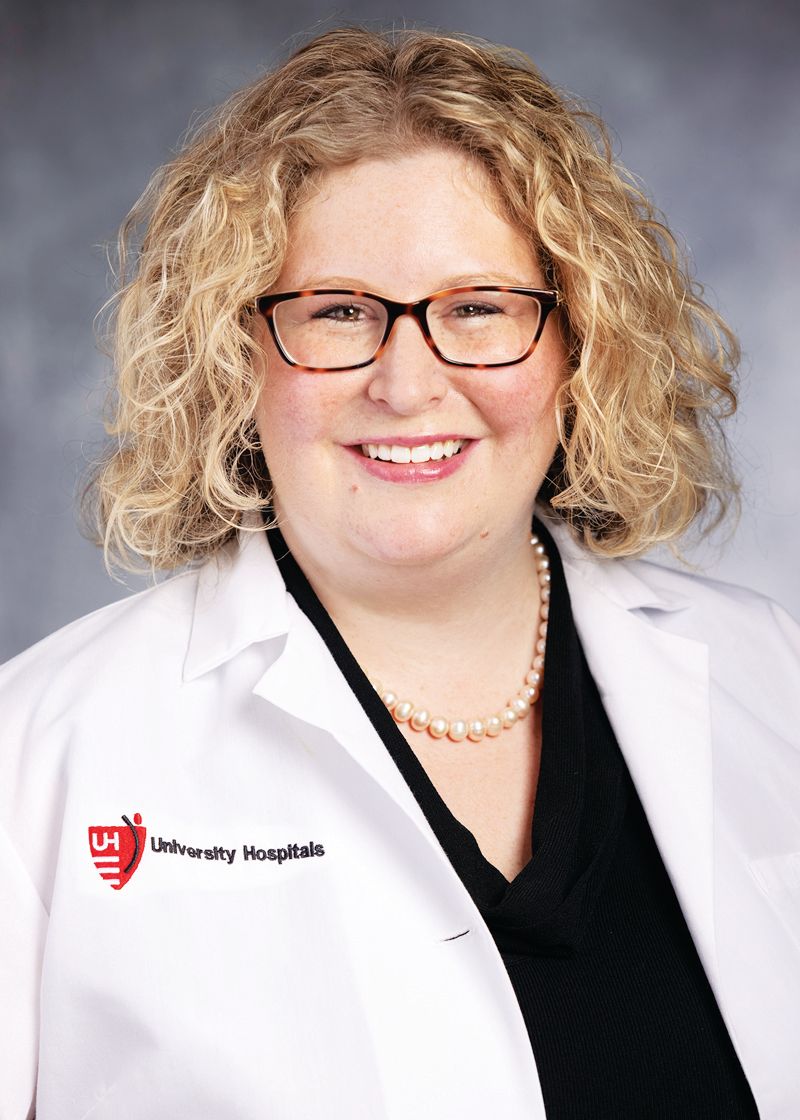
At UH Geauga, surgeons, like Dr. Linden Karas, offer gastric bypass surgery to reduce the size of the upper stomach, which limits food intake. They also perform sleeve gastrectomy, which removes up to 85% of the stomach, including the portion where hunger hormones are generated.
In the global fight against obesity, both bariatric surgery and medication have emerged as powerful tools to help individuals achieve meaningful weight loss. As obesity rates continue to rise—affecting about 880 million adults worldwide according to the World Health Organization—these medical interventions offer hope for those struggling with severe obesity and related health complications. It is expected that 50% of the world’s population will be overweight or obese by 2030.
Locally, University Hospitals Geauga Medical Center, a campus of UH Regional Hospitals, is leading the charge with a comprehensive, patient-centered approach to weight management.
“While diet and exercise remain the foundation of a healthy lifestyle, many individuals struggling with significant weight gain require more advanced interventions,” says Dr. Linden Karas, a bariatric and reflux surgeon at UH Geauga Medical Center.
Although obesity is widely known to contribute to heart disease, stroke and diabetes, Dr. Karas cautions that it also plays a role in everything from joint pain and migraines to asthma and sleep apnea to certain types of cancer.
A Life-Changing Option
Many people turn to bariatric surgery only after they have tried diets and weight-loss medications for decades, but the sooner you seek care to treat obesity, the more likely you can prevent weight-related medical issues. “I always applaud the young patients who come in as they are helping to prevent a lifetime of illness by taking care of their weight earlier,” Dr. Karas says.
At UH Geauga, skilled surgeons offer gastric bypass surgery to reduce the size of the upper stomach to a small pouch and reroutes the intestines. They also perform sleeve gastrectomy, which removes up to 85% of the stomach, including the portion of your stomach where hunger hormones are generated. These surgeries limit food intake and modify hormone signals to change the way we digest nutrients and feel hunger and satiety.
“While the number of bariatric surgeries has trended slightly downward the last couple years, thanks to the advent of GLP-1 medications, surgery remains the most durable, safe and effective way to lose a significant amount of weight,” she states.
New Era of Weight-Loss Medications
Historically, weight-loss meds focused on appetite suppression, but now with the advent of GLP-1 receptor agonists, the approach has evolved. These medications not only reduce appetite but also affect hormone levels, insulin response, and how the body processes fats and sugars. These drugs actually mimic the effects of bariatric surgery.
“With all the publicity around Ozempic, more patients are asking their doctors about weight-loss intervention,” Dr. Karas says. “While I prescribe this medication only to my patients who have diabetes, there are other FDA-approved drugs specifically for weight loss.”
Medications like Wegovy and Zepbound work the same way by stimulating GLP-1 receptors in the pancreas, boosting insulin secretion, decreasing appetite, quieting food-related thoughts, and altering fat and sugar metabolism.
“I see the full gamut of patients who all can benefit from medical weight loss,” says Dr. Karas, who also treats acid reflux and hiatal hernias. “I have a patient who is 162 pounds and is trying get her BMI under 25 as well as a 450-pound woman in our Bariatric Program, who is currently taking medication to lose some weight prior to surgery to make surgery safer and easier.”
University Hospitals Geauga Medical Center is located at 13207 Ravenna Road in Chardon. For more information, call 440-214-3111 or visit UHHospitals.org/Geauga.
Am I a Candidate for Bariatric Surgery?
According to the American Society for Metabolic and Bariatric Surgery and the International Federation for the Surgery of Obesity and Metabolic Disorders, a person qualifies for weight-loss surgery based on their body mass index (BMI). The number is calculated by dividing a person’s weight by the square of their height.
Under the guidelines, eligibility extends to:
- People with a BMI higher than 35, regardless of whether or not they have accompanying health problems.
- People with a BMI of 30-35 who have a coexisting medical issue, including diabetes.
- Guidelines vary depending on insurance coverage.
Visit
UHHospitals.org/weightloss and fill out the form to see if you are a candidate.

Recent Posts









RELATED ARTICLES