
Waterproofing experts fix what lies beneath
Melting snow and spring rain put basements at risk as that water needs to go somewhere, but Olivieri & Son can keep it out of your home.
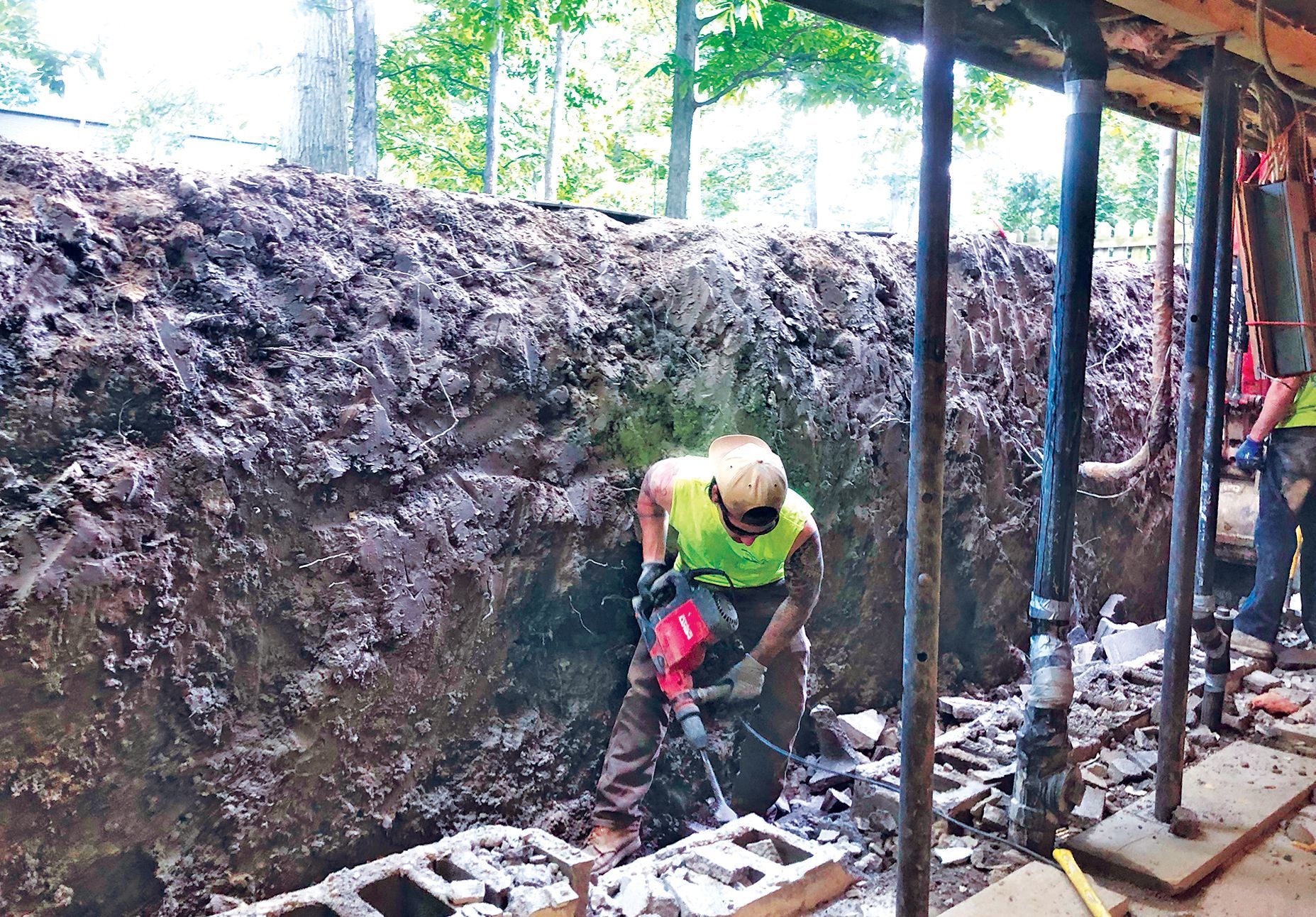
Rocco and Mark Olivieri of Olivieri & Son help homeowners stay ahead of costly foundation damage by addressing spring moisture issues from the outside in, and protecting basement walls before small cracks turn into major repairs. Learn how to safeguard your foundation this spring.
After one of the coldest and snowiest winters in recent memory, the warmer temperatures are a welcome change. But while the spring thaw signals new beginnings above ground, it can spell trouble below the surface for many homeowners. Melting snow combined with seasonal rain can funnel thousands of gallons of water into the soil surrounding your home. That groundwater looks for a place to go, and it’s often your basement.
“Spring is typically the most stressful season of the year for basement walls,” says Mark Olivieri, of Olivieri & Son, specialists in basement waterproofing and sewer repair. “As the ground warms, cools and absorbs moisture, it expands and contracts. That movement puts pressure on foundation walls, which can eventually lead to cracking or bowing.”
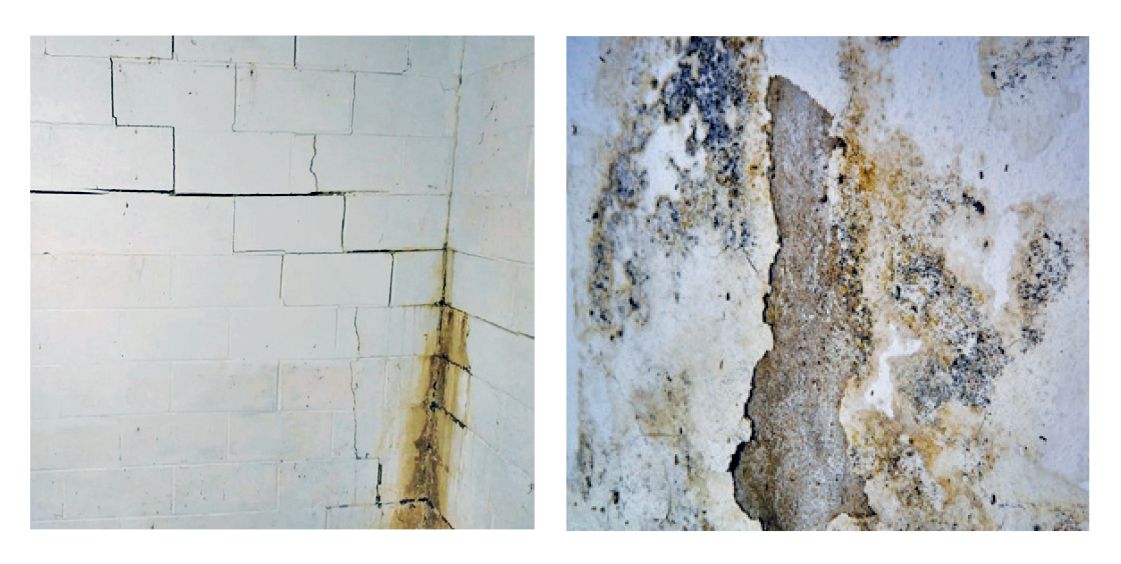
Once cracks form, groundwater can seep inside, bringing more than just moisture with it. Damp walls create an ideal environment for mold growth, which can spread through heating and cooling systems and affect the air you breathe throughout your home.
The upside to springtime moisture is it often reveals early warning signs that might otherwise go unnoticed. Minor cracks, damp spots or discoloration can serve as red flags—alerting homeowners to issues that, if left untreated, could turn into major structural repairs down the road.
“If you notice moisture, mold or a white, chalky residue known as efflorescence, it may be a sign that your foundation has been compromised,” Mark explains. “We can assess the damage and help you decide on the best way to stop it from getting worse. Our company is licensed and bonded, and we do the job the right way.”
Most companies try to repair foundation leaks from the inside of the basement by re-channeling the invading water back outside. That, insists Mark’s dad, Rocco, isn’t the ideal way to do it.
“The best way is to prevent the water from penetrating your walls to begin with,” says Rocco, “That’s why we prefer to fix the problem from the outside.”
A father-and-son team since 1981, Rocco and Mark begin by excavating the affected foundation wall down to the footer. The wall is thoroughly cleaned to expose hidden cracks, which are then patched and sealed. From there, the exterior wall is coated from footer to grade with a protective sealant designed to block moisture intrusion.
“Applying a tar rubber emulsion from footer to grade is a critical step in preventing moisture from entering your wall,” Mark says. “We also install heavy-duty perforated PVC drainage pipe along the footer, include clean-outs for maintenance, and backfill with premium washed gravel to direct water safely away from the foundation.”
Spring moisture doesn’t always mean a major repair is needed, but it does mean it’s time to pay attention. Water stains, musty odors or subtle changes in your foundation shouldn’t be ignored.
If you think you may have moisture in the basement, or a shifting foundation, Olivieri & Son offers a no-cost, no-obligation inspection, including a moisture detection test to reveal basement problems that may be hidden behind drywall.
Olivieri & Son
869 Marks Road, Brunswick

Recent Posts








RELATED ARTICLES