
The grape Prohibition couldn’t stop
When homemade wine got a legal loophole during Prohibition, grape growers—and one particularly hardy variety—reaped the rewards.
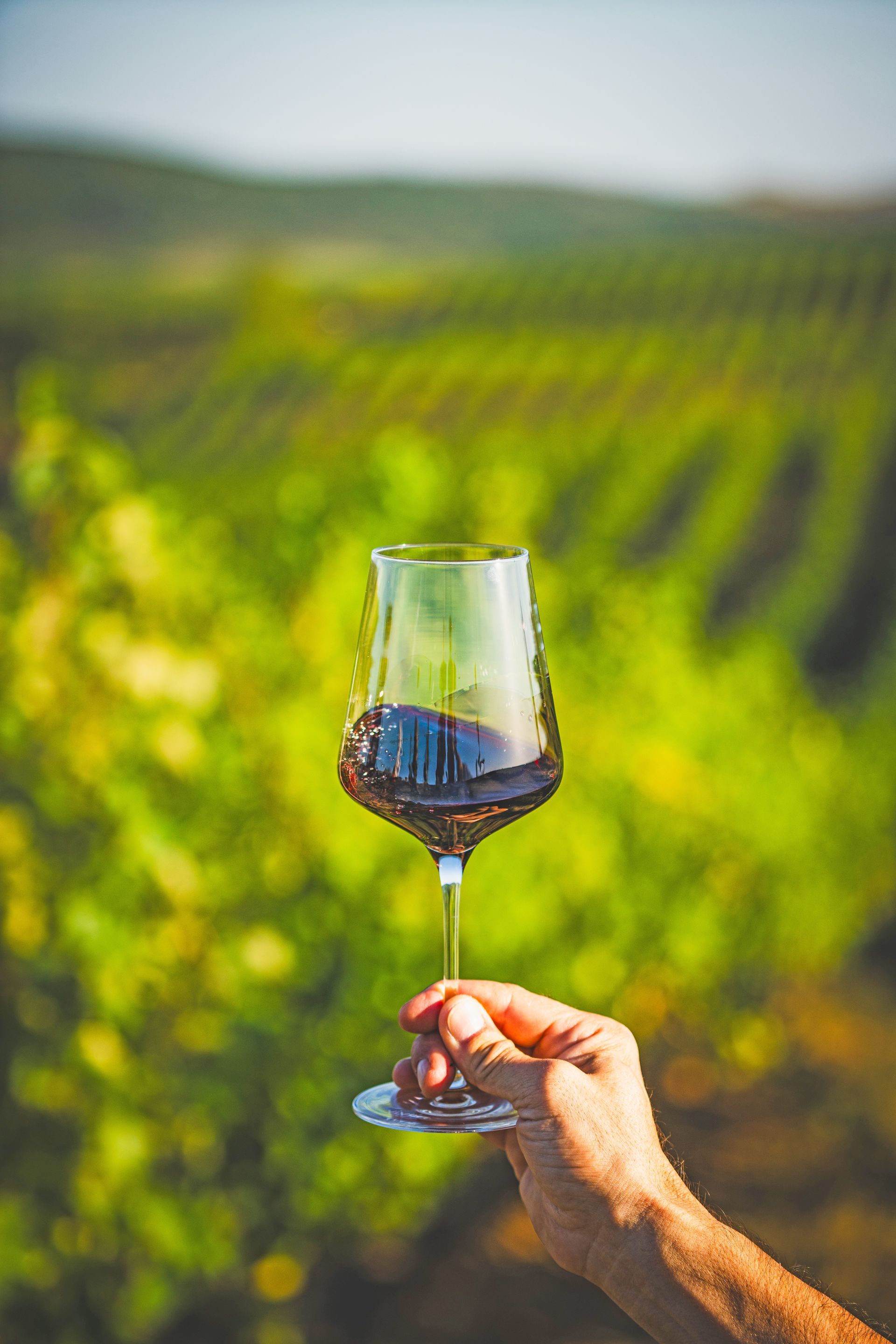
In 1866 in France, Henri Bouschet cultivated the Alicante Bouschet grape—a high-yield, low-maintenance grape and the most famous of the teinturier grapes.
January 17, 1920, was a day none of us actually remember, and for many of us, it’s just as well that we don’t. This particular day in history was the start of Prohibition. And eight days later, the Internal Revenue Service issued a ruling allowing up to 200 gallons of homemade wine for home use only.
Jim Sperk of the Northern Ohio Wine Guild offers us even more perspective on this period of American history and how Prohibition affected the wine industry. And it might not be how you think.
“While many wineries closed during Prohibition, grape growers prospered due to home winemaking,” says Jim. “Grape prices went from $9.50 per ton in 1919 to $82 per ton in 1921. California needed a hearty grape that could withstand the transportation to the East Coast. Their candidate was a grape known as Alicante Bouschet.”
In 1866 in France, Henri Bouschet cultivated the Alicante Bouschet grape—a high-yield, low-maintenance grape and the most famous of the teinturier grapes.
“Unlike most red wine grapes that extract color from their skins, teinturier grapes also have red pulp instead of clear pulp and juices like most red grapes,” explains Jim. “These grapes produce a very dark juice which can be pressed several times to increase the volume. They produce wines with rich blackberry, spice and dark plum notes.”
Within 30 years, Alicante had been planted in many regions across France and Portugal. California growers found that Alicante grapes’ thick skins allowed them to survive long cross-country train travel. And by 1933, when Prohibition ended, 75% of those California vineyards had been planted with Alicante grapes.
“Once other alcoholic drinks were legal again, wine sales struggled for more than 40 years,” says Jim. “Alicante grapes are still used in small amounts for blending with pale or low-pigment wines to deepen the color without drastically changing the flavor profile. More ‘quality’ grapes have taken their place in the U.S. Portugal, however, has proven to have the ideal climate and soil for making wine from Alicante grapes.”
For information about the Northern Ohio Wine Guild, contact Jim Sperk at tinymoonwines@usa.net.
Recent Posts









RELATED ARTICLES