
Sip your way through Croatia
From familiar varietals like cabernet and chardonnay to native grapes with deep roots, Croatian vineyards offer a fascinating mix of flavors.
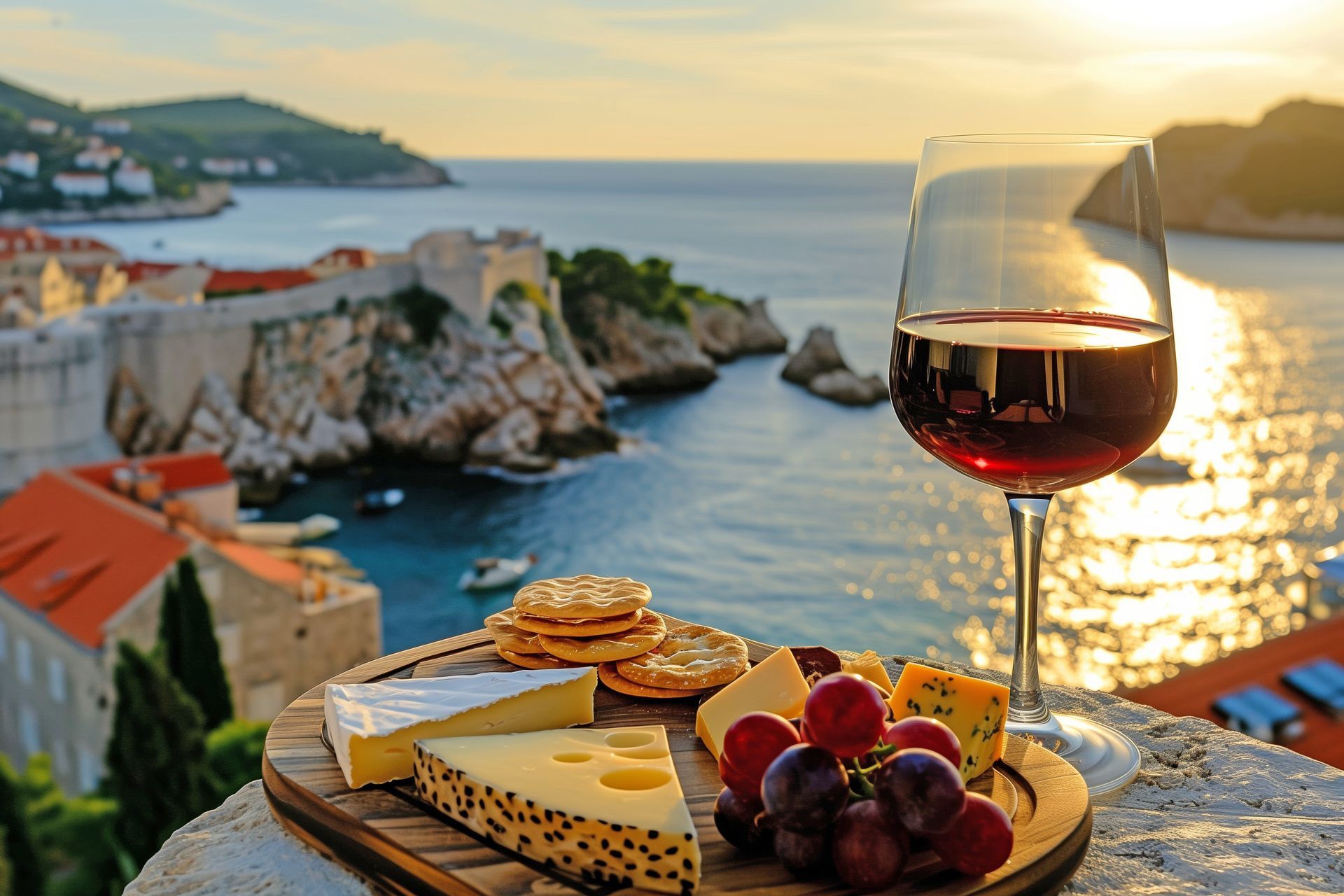
There are 64 types of grapes planted throughout Croatia.
Last month, we reviewed the wine districts of Croatia with a recent visitor to the country, our own Jim Sperk of the Northern Ohio Wine Guild. Today, Jim examines the grapes used to make those wines.
“There are 64 types of grapes planted throughout Croatia,” Jim says. “Some of these, such as cabernet, zinfandel, syrah and chardonnay, are easily recognizable names, but some others bore Croatian names for grapes more commonly known by other names. Pinot Bejeli is Pinot Blanc and, believe it or not, I tasted an excellent example of Pinot Bejeli at a truck stop/gas station in Croatia.”
Jim says that the Rukatac grape is genetically identical to Malvasia, Frankovka is the Croatian name for the Blaufränkisch grape and the Tribidrag grape is similar to both Zinfandel and Primitivo. Interestingly, the Latin word Primitivo and the Croatian word Tribidrag mean “early,” and both grapes ripen early.
“The Traminac grape is known as Gewürztraminer outside of Croatia and the most planted grape in Croatia is the Plavac Mali (Plah-vatz Mah-lee),” Jim says. “Plavac in Croatian means ‘blue’ and Mali means ‘small.’ These small blue grapes produce bold, tannic wines that are enjoyed with a variety of foods from smoked fish to chocolate cake.”
Young examples of these wines display notes of cherries, while aged wines are more complex, with plum, dark berries and tobacco notes. The grape is related to zinfandel.
“The winemaking process employed in many of the smaller wineries was quite surprising to me,” Jim says. “In several instances, maceration was complete within 24 hours while the entire fermentation process was completed in five to seven days. That’s quite different from practices found almost anywhere in the winemaking business.”
Jim says that stainless steel tanks are primarily used while oak barrels are reserved for the most prestigious wines. He adds that organic farming practices is “de rigueur” in Croatian vineyards, as is a lack of irrigation.
“My trip to Croatia was delightful,” Jim says. “It is a beautiful country with friendly people who speak English fluently. It’s no wonder tourism is booming in Croatia.”
For information about the Northern Ohio Wine Guild, contact Jim Sperk at tinymoonwines@usa.net.
Recent Posts








RELATED ARTICLES