
Powerhouse pollinators
Inside Lake Metroparks’ mission to protect the bugs, birds and bats that keep our crops and wildflowers growing.
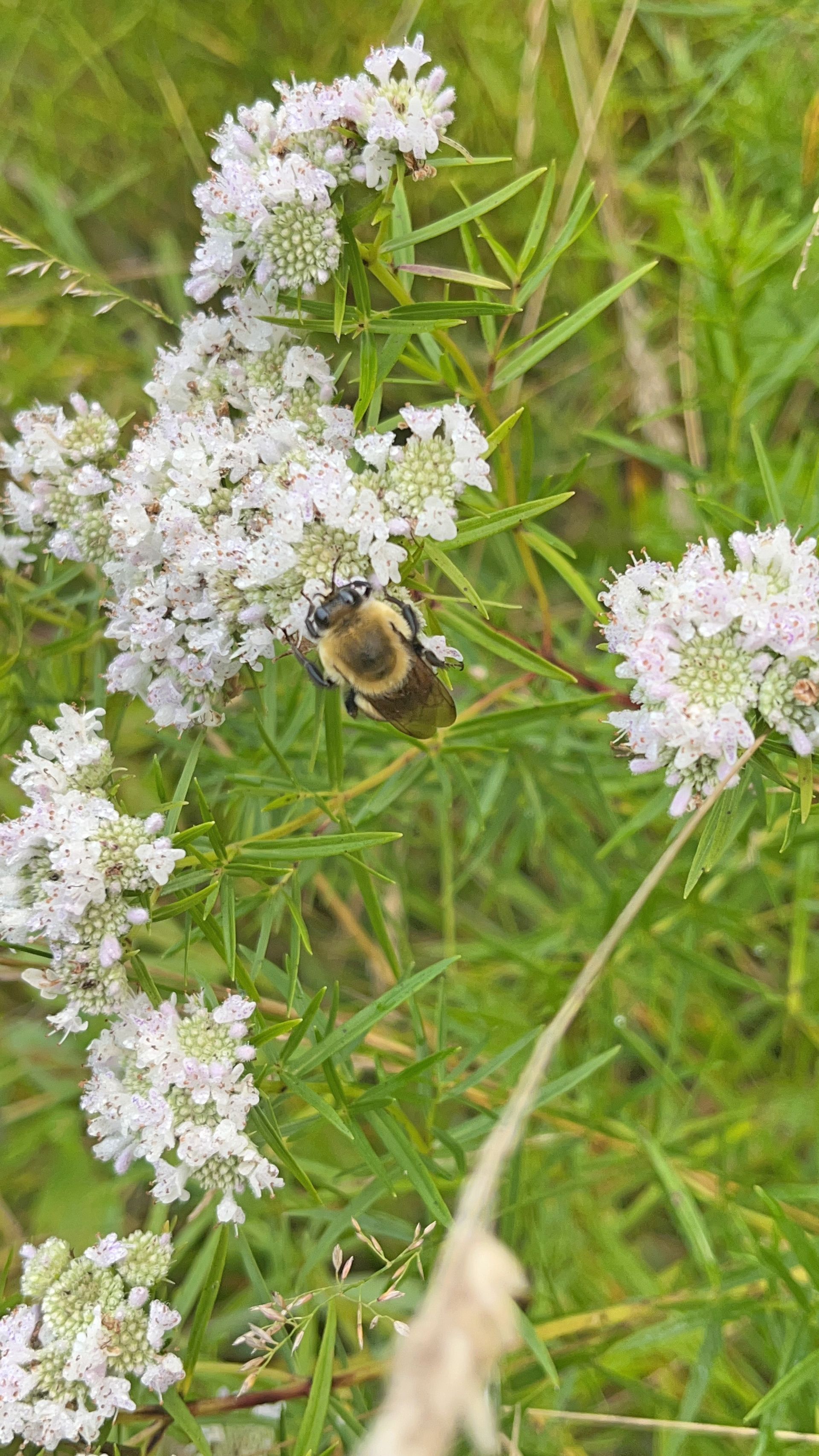
Those looking to add plants that attract pollinators to their own gardens should think about milkweed, black-eyed Susans or wild bergamot.
In the grand scheme of symbiosis, humans rely on pollinators for helping crops produce, and pollinators require plants’ pollen and nectar to raise their young and survive. We scratch their backs, and they scratch ours.
In layman’s terms, pollination happens when pollen from the male part of a flower (the anther) moves to the female part (the stigma) which produces seeds, fruits and the next generation of plants.
Mimi caught up with Lake Metroparks Park Biologist Megan Hart to get the skinny on these powerhouse species, which include birds, bats, bees, flies, butterflies, hummingbirds, moths and beetles.
“It’s estimated that pollinators account for $18 billion per year in crop value,” she says. “They are a vital powerhouse to the ecosystem and propagate our future.”
Produce such as tomatoes rely on pollination from honeybees, which are not native to North America.
“And some pollinators work harder than others,” she notes. “One example is the blue orchard bee, which pollinates almond orchards. One hundred of these bees can pollinate the same number of crops it would take 100,000 honeybees to do.”
In Lake County, Megan notes that over the past year, Painesville Township Park has seen colorful meadows added to the land to make it more wildlife- and pollinator-friendly. Helen Hazen Wyman Park has also received a meadow planting this year.
“Those looking to add plants that attract pollinators to their own gardens should think about milkweed (needed for butterflies’ life cycles), black-eyed Susans or wild bergamot,” she says.
“Once you start to look for pollinators, it becomes fascinating to explore their busy world.”
If bugs are more your bag, you’ll discover several creeping, crawling critters at Lake Metroparks Bug Day, set for Sunday, September 7, noon to 4 p.m. at Penitentiary Glen Reservation. This annual special event draws thousands of bug-curious folks.
“We’ll feature live bugs of all sizes, shapes and colors, games, crafts and activities at this free event,” Megan says.
Lake Metroparks Penitentiary Glen Reservation is located at 8668 Kirtland Chardon Road in Kirtland. To find out more, visit
LakeMetroparks.com.
Recent Posts




RELATED ARTICLES