
Muscat: An ancient grape with modern appeal
Muscat flavor profiles include peach, orange and apricot with jasmine, ginger and honey tones as well.
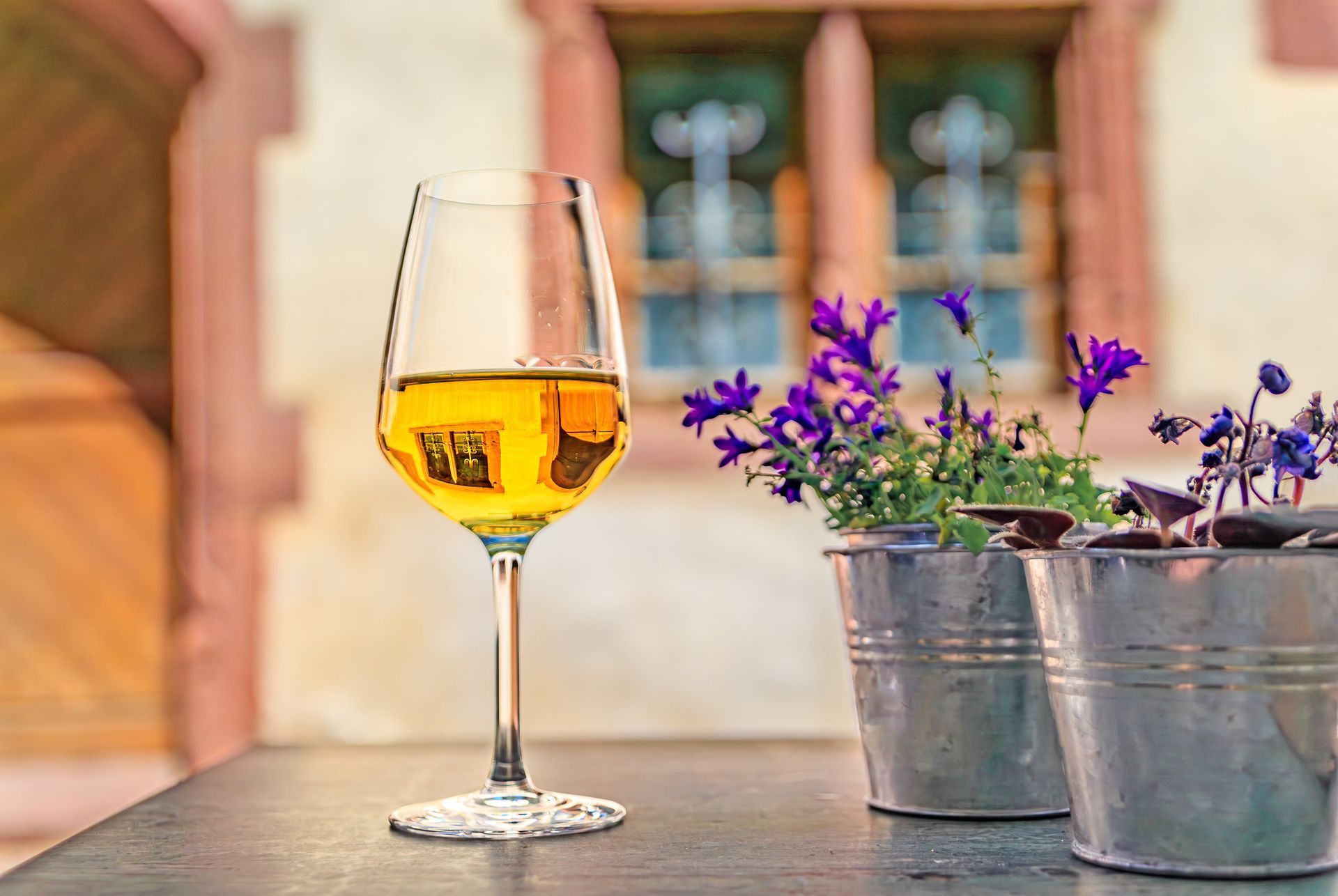
if you’ve ever enjoyed a bunch of table grapes, a box of raisins or a sparkling Asti Spumante, you just might have tasted of the more than 200 varieties of muscat grapes.
I think we all know that you don’t have to drink wine to enjoy the taste of the grape. In fact, according to Jim Sperk of the Northern Ohio Wine Guild, if you’ve ever enjoyed a bunch of table grapes, a box of raisins or a sparkling Asti Spumante, you just might have tasted of the more than 200 varieties of muscat grapes.
“Although they have suffered from their reputation as a cheap, fortified wine, muscat grapes vary not only their many uses, but also in color,” Jim says. “They range from white to yellow, orange, pink, red and black. Therefore, the wines made from the muscat grapes can also vary in color and in flavor.”
But Jim says the variety stops there because the aroma of all muscat wines is commonly shared.
“All muscat wines, regardless of color, tend to be highly aromatic, some even say ‘perfumed’ with floral, musky scents and a bit of honey notes as well,” Jim says. “And many are made sweet, but the acidity keeps the sweetness from being cloying.”
For the non-wine aficionados among us, cloying is defined as excessively sweet, rich or sentimental to a disgusting or sickening degree.
“There are also dry and bubbly versions,” Jim says. “And some may be fortified and aged for more than 100 years.”
So, we’ve established that muscat wines are aromatic, but how do they taste? Jim notes that muscat flavor profiles include peach, orange and apricot with jasmine, ginger and honey tones as well. As with other wines, when served cold, the acidity is highlighted while less cool temperatures bring the fruitiness to the forefront.
Muscat grapes are among the oldest known grapes in the world with origins dating back thousands of years, some say to the ancient Egyptians and Persians while others believe it was the Greens and Romans, but most agree they are possibly the ancestors of many other varieties.
“Although ancient, muscat wines remain scarce in the mainstream of consumer awareness,” Jim says. “Try one at your local wine shop and decide for yourself what muscat wines are all about.”
For information about the Northern Ohio Wine Guild, contact Jim Sperk at tinymoonwines@usa.net.
Recent Posts





RELATED ARTICLES