
Lessons in wildlife
Mary Kazmir, known throughout the area as CLE Goose Girl, offers informative presentations on the dangerous consequences of feeding wildlife.
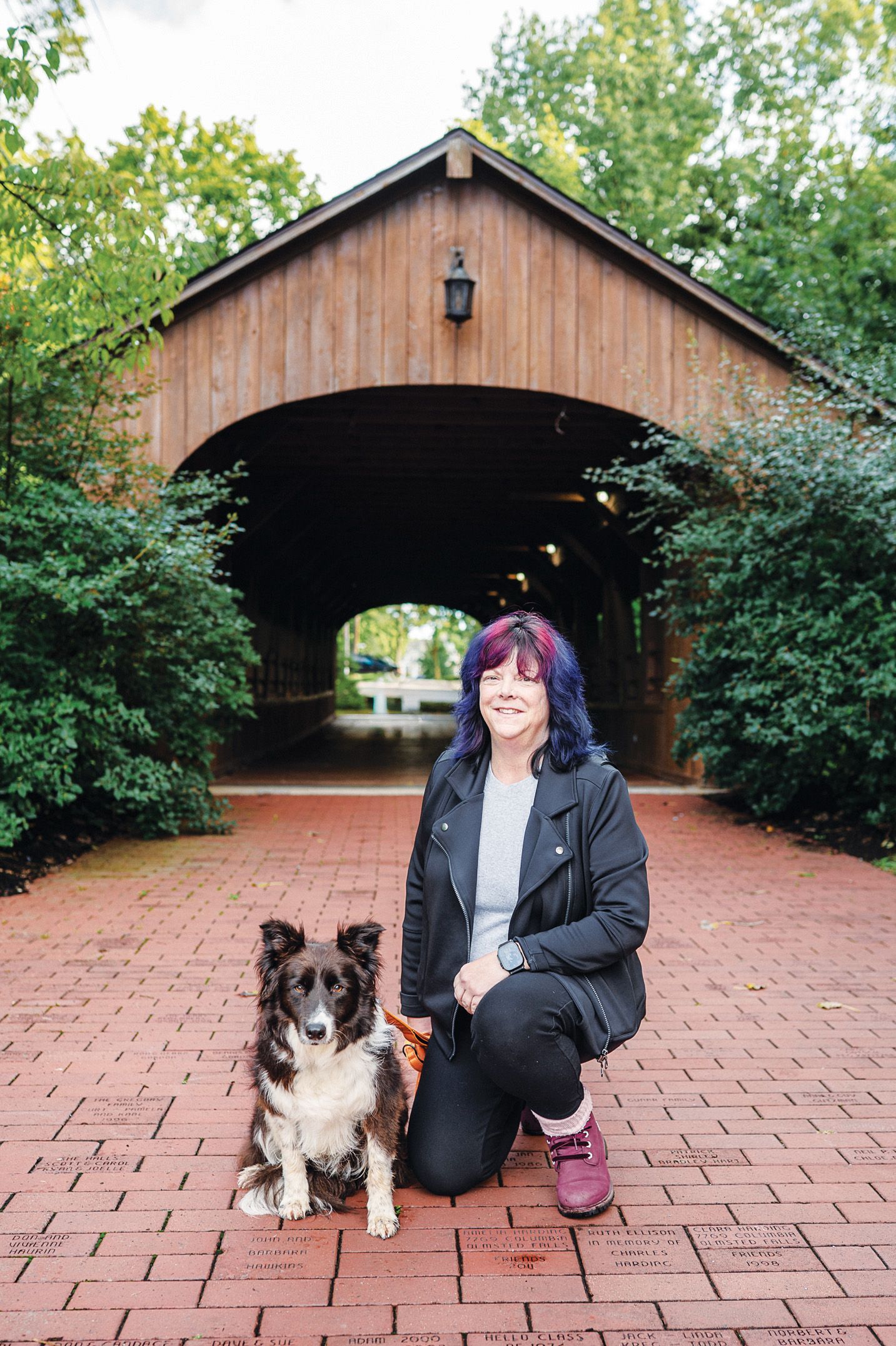
Mary Kazmir, CLE Goose Girl offers informational presentations to people and groups to help spread the word about respecting wildlife, specifically Canada geese. She brings a trained border collie named Bud when appropriate. (Photography: Adrienne Rose)
Part TED talk, part comedy routine, part National Geographic wildlife documentary, Mary Kazmir, aka CLE Goose Girl, has given fascinating informational speeches through the Cleveland area exploring Canada Geese and wildlife management.
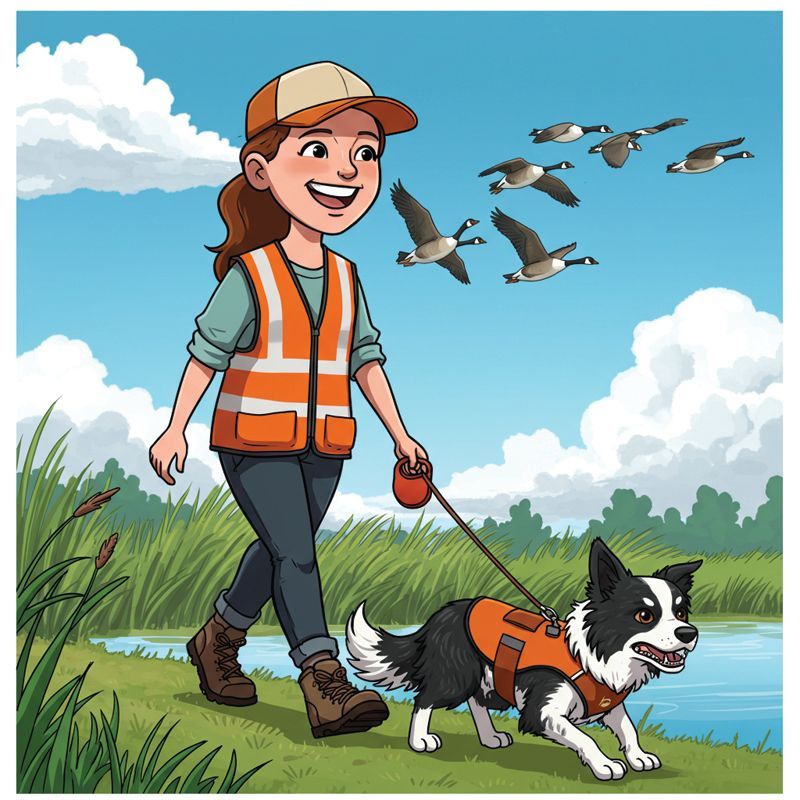
It all sprang from her day job working for a professional geese control company that employs trained border collies to chase geese away from homes or businesses.
“Through my work, I’ve found out a lot about the world of Canada geese and realized there needed to be more education to the public on things such as the consequences of feeding them and wildlife in general and why it is necessary to manage geese populations,” says Mary. “When we introduce border collies into an environment to make geese uncomfortable enough to want to leave, we do it by identifying the alpha goose in a group and concentrating on that one, until the whole group chooses to leave. The goal is to get them to relocate to a less urban area with limited human interaction.”
Educating Children to Seniors
Mary has tailored different presentations to suit the audience, whether that’s school-aged children, garden clubs, STEM programs, senior centers, or people in recovery programs. She was recently chosen to present a program as part of Tri-C’s Encore Speaker Series for students ages 55 plus.
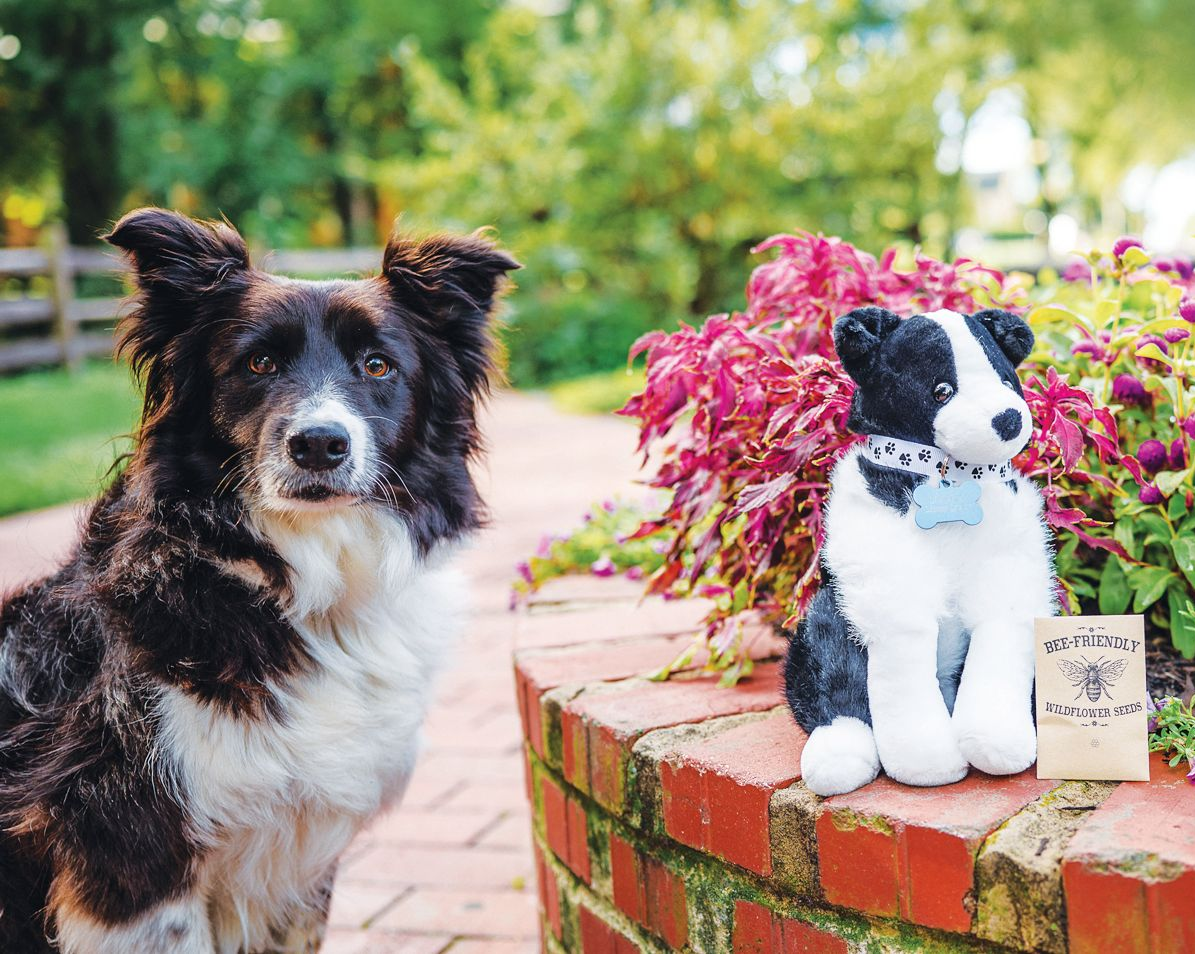
“I bring a trained border collie named Bud with me to presentations when I’m allowed,” she says. “I also bring wildflower seed packets to give the audience members to plant at home as a natural alternative to a bird feeder. At schools, I leave behind a stuffed animal that looks like Bud to encourage students to read aloud without judgment.”
When speaking to STEM classes, she dives deeper into math, science and physics, like how do only 34 flight feathers get a 15 pound bird off the ground?
Never Feed Geese
“When I see people feeding geese things like bread or crackers, it’s heartbreaking because that’s not at all what they should eat, which is protein from grass or seeds,” she says. “So, you’re basically starving the animal, and, just as bad, you’re changing its behavior, making it less of a wild animal, and even pushing back migratory patterns since the animal won’t want to leave a place where they get fed every day. This throws off the whole ecosystem.”
Another issue feeding the birds causes is a deformity called angel wing, which renders them unable to fly, essentially making them prey to predators.
“And since geese don’t have teeth, they often choke on bread or popcorn people throw at them,” she adds. “When homeowners leave food out for geese, they are basically ringing the dinner bell for a host of other uninvited guests, like coyotes and opossums.”
Mary is a treasure trove of fun facts about Canada Geese:
- The birds live to be around 25 years old.
- Geese can see UV light and have a 180 degree line of sight.
- They eat 2 square feet of grass per day per bird.
- Goose feces is loaded with bad bacteria like salmonella, so don’t let your dog or pets eat it or they can get sick. Be sure to wash your shoes after you get home if you walk through it.
Mary Kazmir, CLE Goose Girl, will speak to organizations, schools, scout troops, senior centers, garden clubs, book clubs and recreation centers throughout Cuyahoga and Medina Counties. Email her at CLEGooseGirl@gmail.com.
Recent Posts









RELATED ARTICLES