
Hearing health and diabetes
You might be surprised to learn that diabetes and hearing health are closely connected. Sounds of Life Hearing Center can make sure there’s nothing amiss.

In honor of November being Diabetes Awareness Month, Dr. Sarah Curtis, audiologist and founder of Sounds of Life Hearing Center, wants more people to recognize the important role hearing plays in their overall health, and how their ears are connected to the whole body, especially when it comes to managing diabetes and other cardiovascular issues.
Awareness isn’t just about knowing the facts but also acting on the preemptive steps necessary to secure and maintain a healthier lifestyle at any stage. In honor of November being Diabetes Awareness Month, Dr. Sarah Curtis, audiologist and founder of Sounds of Life Hearing Center, wants more people to recognize the important role hearing plays in their overall health, and how their ears are connected to the whole body, especially when it comes to managing diabetes and other cardiovascular issues. Just like other functions such as vision, dental and the lower extremities, hearing can also be impacted by diabetes and should be an integral part of one’s care management.
“We have known for some time the eyes and the ears kind of walk side by side,” says Dr. Curtis, “They are all in the same area of the body and fed by tiny capillaries and blood vessels, which is what feeds the eyes and ears and keeps them healthy along with the whole body.”
Because of this, anything that affects blood flow, like diabetes, can affect all the little parts of your body, including the ears. When blood supply is cut off, it can result in hearing changes, particularly hearing in higher pitches, making things sound like birds or whistles. A symptom like this is often overlooked as “getting older,” because the patterns are similar. However, something more serious could be the underlying issue.
“I think the unfortunate thing is we have these terms like ‘selective hearing,’ or ‘I can’t understand a noise and that’s normal because I’m older,’” says Dr. Curtis. “So, it becomes important for the persons who have diabetes to keep up with their hearing tests. If someone’s diabetes is getting worse and is poorly controlled, their hearing will start to drop.”
For this reason, catching signs of hearing loss early can make all the difference. Proper testing not only establishes a baseline to see where a patient is, but annual evaluations can also help gauge a patient’s stability. Testing focuses on the diagnostics that can determine outer ear infections to be referred to a primary care physician or ENT, and conducting hearing assessments that test tones that will discern the softest sounds heard at each pitch.
“A lot of people think hearing is you either have it, or you don’t,” explains Dr. Curtis. “But if you have good hearing for some tones and poor hearing for others, looking at those patterns can help us figure out what’s going on with your health.”
Dr. Curtis and her team can also help manage hearing loss by advising the best treatment plan. Depending on the individual, that could mean traditional hearing aids. If the loss isn’t that severe, an auditory therapy app that coaches the brain with a game called Lace AI trains the user on hearing speech, noise and auditory memory with yearly follow-ups to maintain progress.
All in all, when it comes to diabetes, the ears can get lost in the complicated mix of healthcare priorities and aren’t always valued as a part of the body to maintain on a routine basis. Sounds of Life Hearing Center hopes getting the word out will motivate people to talk about hearing loss and diabetes with their physicians, caregivers and others impacted by diabetes so that people become more aware, get the testing they need and the care they deserve.
Sounds of Life Hearing Center is located at 8003 Auburn Road, Suite 4, in Concord Township. For more information and to schedule an appointment, call
440-579-4085 or visit the website
SoundsOfLifeHC.com.
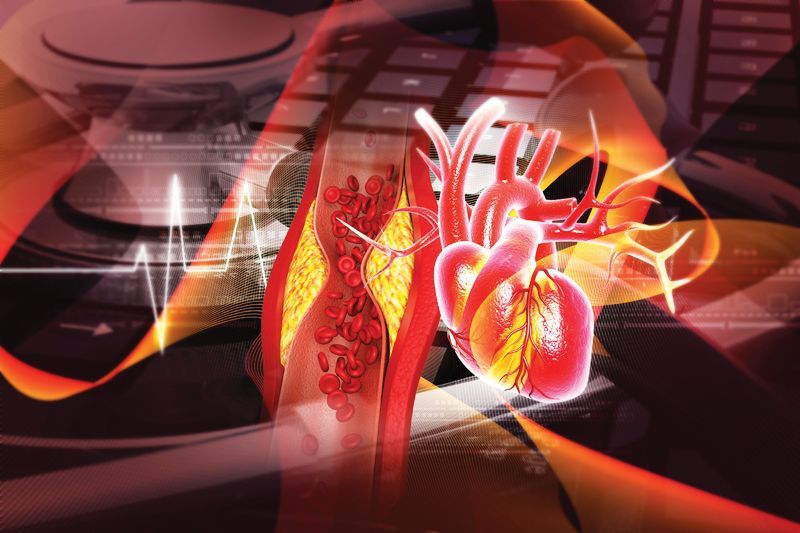
Anything that affects blood flow, like diabetes, can affect all the little parts of your body, including the ears. When blood supply is cut off, it can result in hearing changes, particularly hearing in higher pitches making things sound like birds or whistles.
Recent Posts










RELATED ARTICLES