
The hidden signs of heart and vascular disease in women
Expert heart and vascular care, specialized for women at University Hospitals Harrington Heart & Vascular Institute.
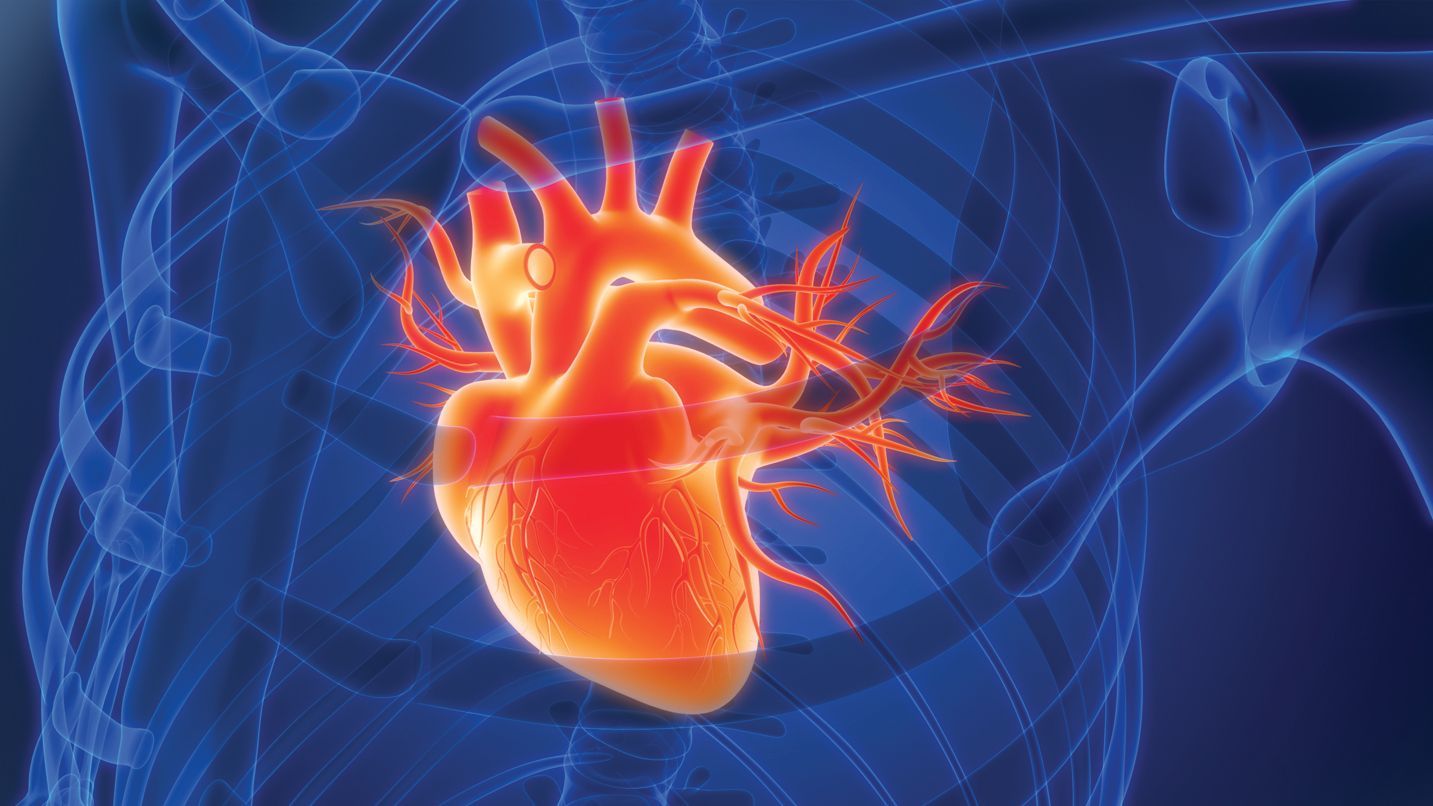
The Women’s Cardiovascular Center at University Hospitals Harrington Heart & Vascular Institute is designed to provide a specialized environment where women feel heard and understood.
Recognizing that heart and vascular disease manifests differently in women, University Hospitals Harrington Heart & Vascular Institute is providing tailored, lifesaving care that goes beyond traditional screenings.
A woman’s heart is different—not just metaphorically, but biologically. While heart disease remains the number one killer of women in the U.S., claiming one in three lives each year, it frequently remains a “silent” threat because the symptoms rarely mirror the “Hollywood heart attack” men often experience.
“Women generally have smaller heart chambers and smaller arteries than men, which means cardiovascular disease can develop and present in much more subtle ways,” says Heather Gornik, MD, Director of the Women’s Cardiovascular Center at University Hospitals Harrington Heart & Vascular Institute. “Because these signs are often dismissed as stress or fatigue, less than half of women recognize that heart disease is their greatest health threat.”
Symptoms Beyond Chest Pain
While men often describe a crushing sensation in the chest, women’s heart attack symptoms can be easy to overlook. They may feel vague chest pressure, unusual fatigue, a dull ache in the jaw, arms, or back, or even indigestion.
“We see many women who feel ‘off’—perhaps they are shorter of breath than usual or experiencing fatigue or dizziness they can’t explain,” says Dr. Gornik. “These aren’t just signs of a busy life; they are often the heart’s way of asking for help. Our goal is to listen to these subtle cues before a crisis occurs.”
Lifetime of Unique Risks
Biological milestones—from pregnancy to menopause—play a significant role in long-term heart and vascular health for women. Conditions like preeclampsia, gestational diabetes, and even certain autoimmune disorders like lupus or rheumatoid arthritis can create chronic inflammation that stresses the vascular system.
“Whether it’s the impact of pregnancy-related complications or physiologic changes that occur during menopause, we look at the entire timeline of a woman’s life,” says Dr. Gornik. “Even history of cancer treatments, such as radiation or chemotherapy, can affect heart function years later. We develop a plan that incorporates the patient’s history, not just their current symptoms.”
Comprehensive Care, Focused on Women
The Women’s Cardiovascular Center at University Hospitals Harrington Heart & Vascular Institute is designed to provide a specialized environment where women feel heard and understood. This team-based approach brings together experts who specialize in female-specific heart and vascular care and the unique ways disease manifests across different ages.
“We take the guesswork out of heart and vascular health,” says Dr. Gornik. “From early detection to advanced treatment, we provide a clear roadmap so women can take control of their health and maintain their active lives.”
Go Red for Women
The American Heart Association’s Go Red for Women campaign is a year-round movement that seeks to empower women to take charge of their cardiovascular health. Seeing the need to help with this cause, University Hospitals Harrington Heart & Vascular Institute joined the Go Red for Women campaign as the local presenting sponsor in 2006.
With more than two decades in this leading role, the combined efforts focus on educating women about the signs and symptoms of heart disease, encouraging early detection and supporting lifestyle changes to lessen individual risk.
“Our ongoing commitment to Go Red for Women is about more than just awareness. It’s about action,” says Dr. Gornik. “We are not just changing conversations; we are saving lives right here in Northeast Ohio.”
Prioritize Your Health
To learn more, or to schedule an appointment with one of our cardiovascular specialists, visit
Recent Posts





RELATED ARTICLES