
Sweet steps to making maple syrup
From late-winter sap runs to carefully boiled sweetness, the journey of pure maple syrup reveals why the real thing is worth every drop.
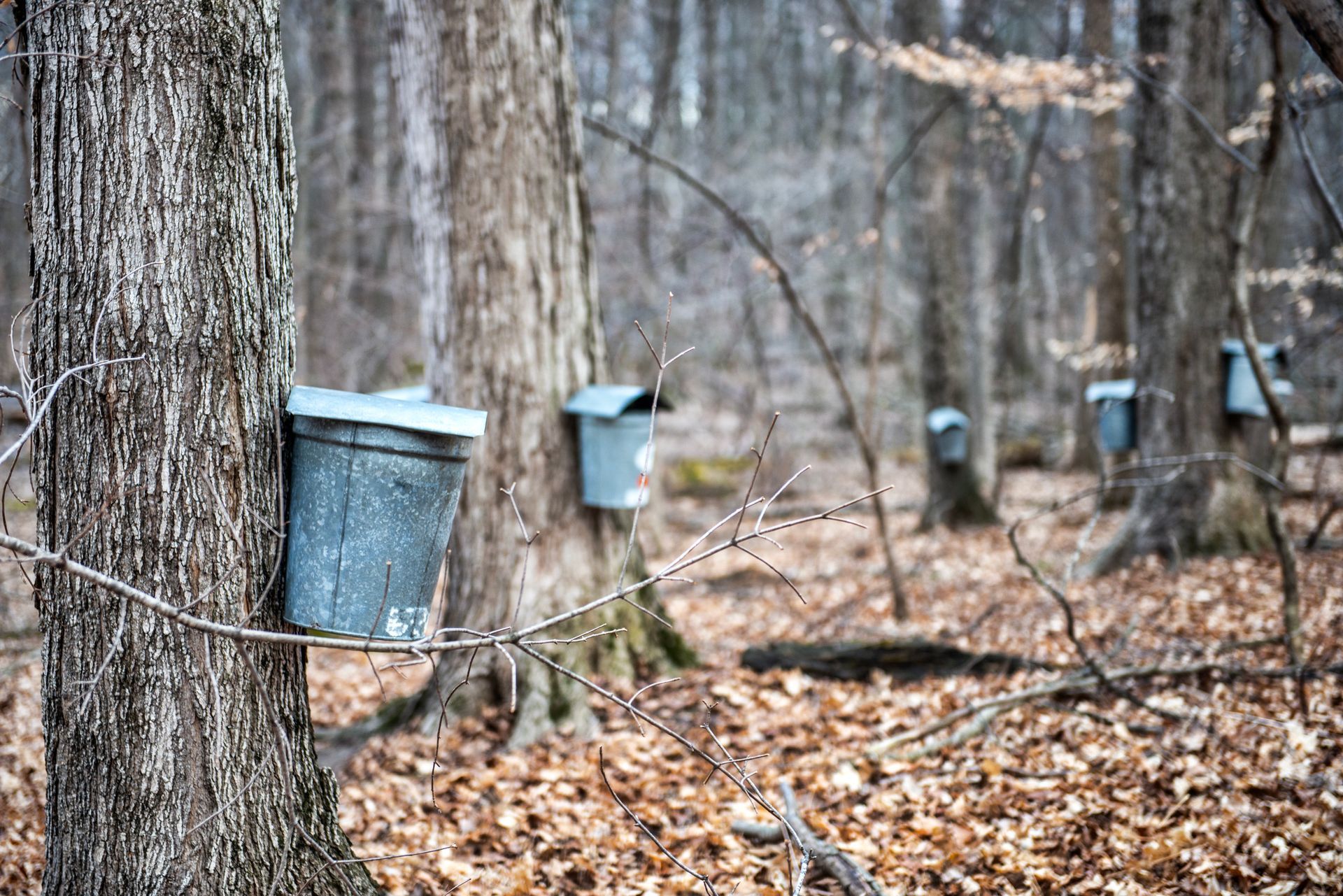
The process begins with drilling a tap hole into each sugar maple tree.
Breakfast foods like pancakes or French toast just aren’t the same without delicious maple syrup. Not all syrups in the grocery aisle are the same. In fact, some do not contain any maple at all. Pure maple syrup is a marvel of nature, and involves a multi-step process used to get this rich liquid from tree to table.
Sugar Maples and Sugarbushes
Sugar maple trees are the species responsible for producing the maple syrup consumers know and love. Alternative maple trees can be used, but industry experts say sugar maples produce the most flavorful syrups.
“Maple syrup starts off as tree sap. Sugarmakers, as maple syrup producers are called, rely on a cultivated group of maple trees that they use for syrup, known as a sugarbush or maple orchard,” says the Massachusetts Maple Producers Association (MPPA). This is where the syrup-making process begins.
From Tree Sap to Syrup
Maple sap is mostly crystal clear water that is roughly 2 percent sugar. Sugarmakers visit the sugarbush in late winter/early spring for a sugaring season that lasts four to six weeks.
“A cycle of freezing nights followed by daytime temperatures of 40 to 45 degrees F creates the internal pressure needed for sap to flow when trees are tapped,” according to the State of Vermont Pure Maple Syrup. “It takes around 40 gallons of sap to make 1 gallon of maple syrup. Each sugar maple produces about 4 cups of syrup per tree, so sugarmakers must gather as much sap as possible.”
The process begins with drilling a tap hole into each sugar maple tree. Then spouts are inserted into the holes to direct the sap into buckets or tubes that will deliver the sap to a collection tank at a sugar house or another collection area.
The Fort Rose Farm, a maple syrup farm in Canada, notes, “The sap is then placed into a reverse osmosis machine. It delivers pressure to pump the sap through a membrane to extract the sugar from the water in the sap. The sap then travels to an evaporator to boil off more water. As the water is removed, the product becomes thicker and more like syrup.” The syrup is ready to draw off at 219 degrees F, but it still needs to be filtered and potentially adjusted for density. It is then graded for flavor and color. Bascom, a maple syrup producer, says, “Maple syrup made early in the season tends to be clear and have a delicate taste. As the season progresses, the syrup becomes darker and stronger in taste.”
The MMPA states sap coming from the tree is approximately 98 percent water and 2 percent sugar. When the syrup is finished, it is only 33 percent water and 67 percent sugar. Maple syrup production is a labor of love, so a gallon of amber syrup generally retails between $35 to $45, according to Bizfluent. Prices vary depending on the grade of syrup and how well Mother Nature treated the trees that season.
Although there is a short window of time for syrup production, the results are a sweet treat that makes breakfast, dessert and other meals that much more flavorful.
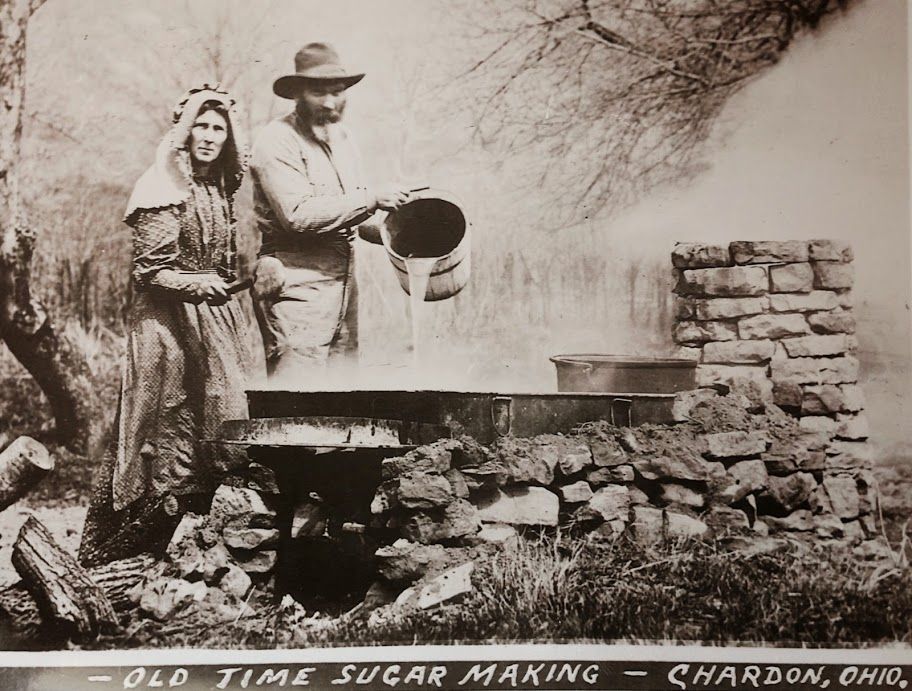
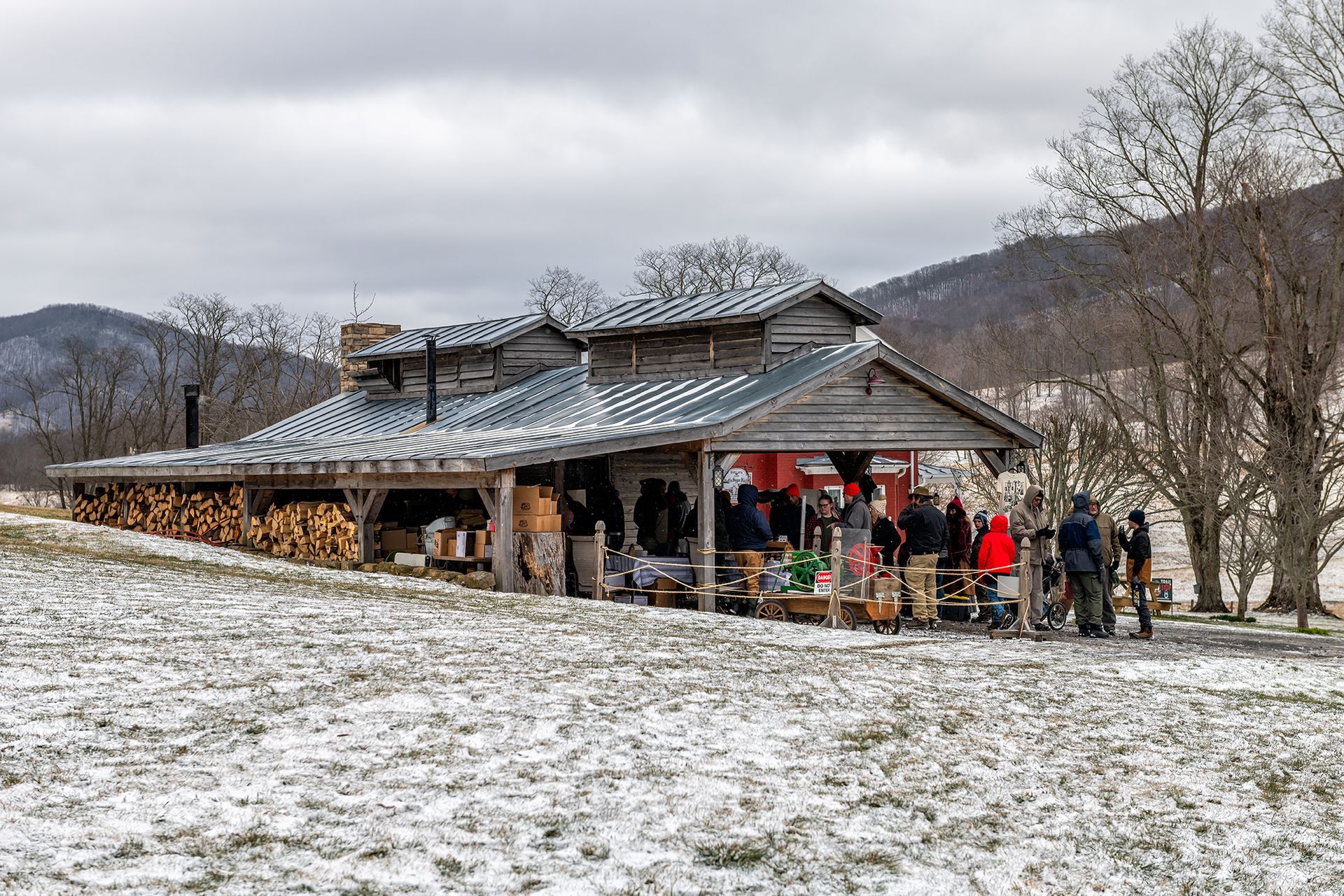
The Geauga County Maple Festival
The Geauga County Maple Festival was founded in 1926 in an attempt to market Ohio syrup in competition with Vermont syrup. The Geauga County News announced that Chardon was “Going to treat the general public to a good old-fashioned maple sugar treat.” The event featured free dishes of maple syrup, a sugar camp, tapped trees, an ox team gathering sap and a maple products display.
Festival Planners expected 5,000 vistors and worried over the April ice storm. Over 15,000 people attended, and now the festival is an annual tradition. As the oldest maple festival in the United States, the Geauga County Maple Festival commemorates the production of pure maple syrup in Geauga County and Northeast Ohio.
- When: Thursday, April 23 through Sunday, April 26, 2026 (weather permitting)
- Thursday Noon to 10 p.m.
- Friday 10 a.m. to 11 p.m.
- Saturday 10 a.m. to 11 p.m.
- Sunday 11 a.m. to 7 p.m.
- Where: Chardon Square,100 Short Ct. St., Chardon
For more information and the schedule of events, visit
MapleFestival.com.
Recent Posts




RELATED ARTICLES