
How heavy is your backpack?
A backpack should not exceed 10% of the wearer’s body weight.
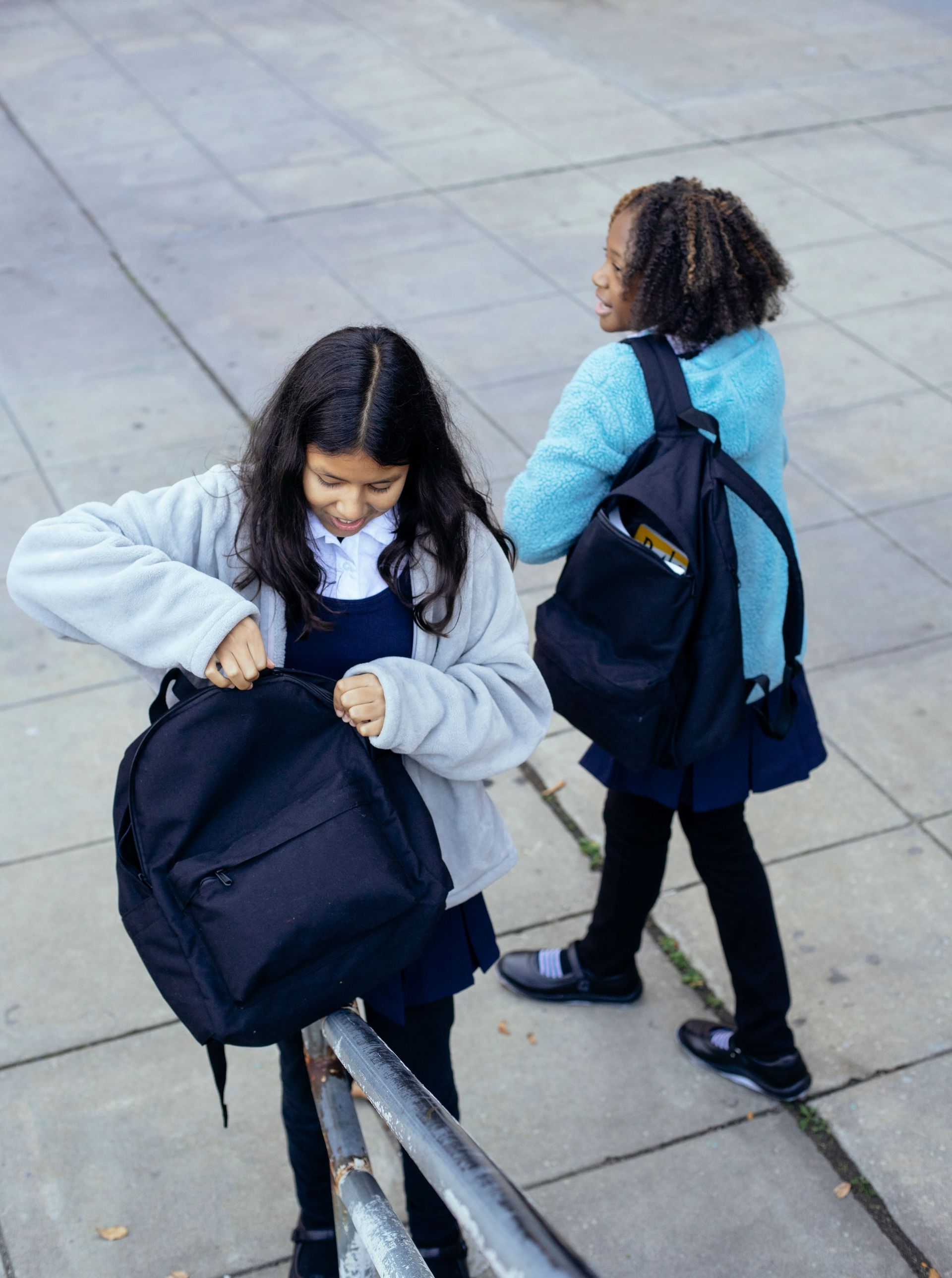
As we head back to school, it’s the perfect time to think about something often overlooked: Your child’s backpack and how it affects their growing body. One of the first things I ask students with back or neck discomfort is, “How heavy is your backpack?” More often than not, it’s way too heavy.
A backpack should not exceed 10% of the wearer’s body weight. So, if he or she weighs 150 pounds, the pack shouldn’t weigh more than 15 pounds. I’ve found that older students carry more than this, and that can cause problems. Too much weight makes the person shift backward, forcing them to compensate by bending forward at the hips or arching their back. Over time, this unnatural posture can lead to shoulder, neck and back pain.
Proper fit is also important. A backpack should sit high on the back, not sagging down toward the hips. The lower it hangs, the more strain it puts on the shoulders.
The best design is one with wide, padded shoulder straps. Encourage your child to use both straps. Wearing it with one might seem convenient, but it can twist the spine and create muscle imbalances. If there’s a chest or waist strap, I suggest you use it. This takes pressure off the upper back and shoulders.
For the past 27 years as a chiropractor, including pediatric certification, I’ve seen countless children and adolescents through proactive quarterly chiropractic check-ups. While they are growing, it’s smart to detect and address imbalances before they grow into bigger issues.
Pro-Active Chiropractic is located at 14399 Pearl Road in Strongsville. Walk-in visits are available. Visit Pro-ActiveChiropractic.com or call 440-846-1200 to find out more.
Preventative Checkup—for Less
Mention this story and get your child’s preventive checkup, which includes two X-rays and a comprehensive physical exam, for $49 (a $179 value). Call
440-846-1200. Offer good through Wednesday, September 30, 2026.
Recent Posts




RELATED ARTICLES